
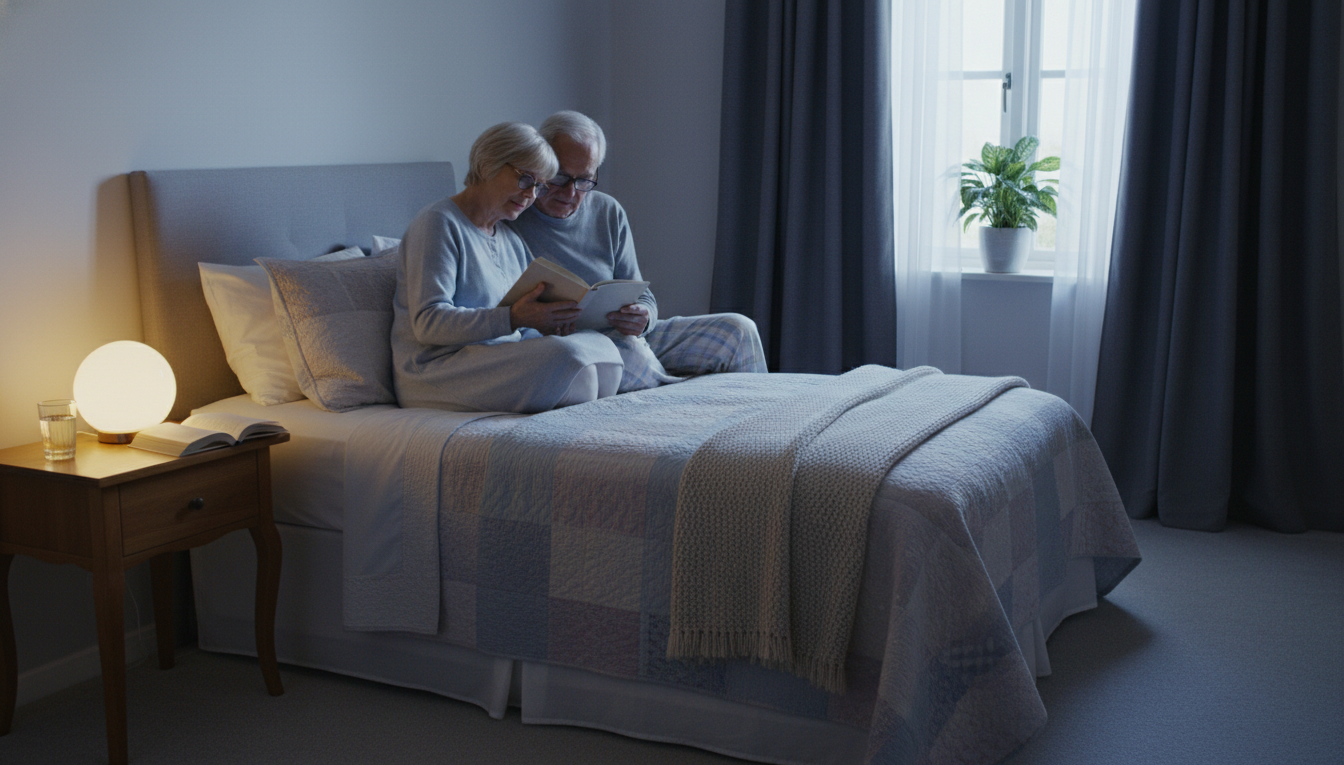
Sleep Routines That Help Seniors Fall Asleep Naturally and Stay Rested
Many people in the United States struggle to get enough nightly slumber. The Centers for Disease Control and Prevention (CDC) reports that one in three American adults does not achieve sufficient rest daily. This issue is particularly significant for the older adult population.
A common misconception suggests that people need less shut-eye as they get older. This is not true. Like younger individuals, seniors require 7 to 9 hours of good sleep each night for optimal health and longevity.
While changes in sleep patterns can accompany aging, poor rest is not unavoidable. Establishing consistent, natural habits can make a profound difference. This guide provides evidence-based strategies to help individuals fall asleep more easily and wake up feeling genuinely refreshed.
Key Takeaways
- Approximately one-third of American adults report not getting enough daily rest.
- Older adults need the same 7-9 hours of nightly slumber as younger people.
- Poor sleep is a common challenge but not an inevitable part of aging.
- Natural routines can significantly improve the ability to fall asleep and stay asleep.
- Quality rest directly impacts overall health, daily functioning, and well-being.
- This article offers practical, research-backed techniques for better nighttime rest.
Understanding Sleep Changes in Older Adults
As individuals progress through their later years, their internal biological clocks undergo significant recalibration. These natural adjustments affect how the body regulates daily cycles.
Aging and Shifting Sleep Patterns
Mature adults often experience lighter slumber with more frequent awakenings during the night. The body produces less melatonin, the hormone that regulates sleep-wake cycles.
Circadian rhythms tend to shift forward, causing earlier evening drowsiness and morning alertness. This change reduces time spent in deep, restorative stages critical for physical recovery.
Health Conditions Impacting Sleep
Chronic conditions common among older adults—like arthritis, heart disease, and respiratory issues—can disrupt nighttime rest. Pain and discomfort often interfere with continuous slumber.
Medications prescribed for age-related health concerns may have side effects that affect sleep quality. Reviewing prescriptions with healthcare providers is essential for identifying potential disruptions.
While some pattern adjustments are normal, persistent fatigue indicates treatable issues rather than inevitable aging. Recognizing the difference between natural changes and problematic disturbances is the first step toward effective solutions.
Why Good Sleep is Vital for Senior Health
Quality nighttime rest serves as a cornerstone of comprehensive wellness for mature individuals. It supports multiple systems that maintain vitality and daily functioning.
Physical, Cognitive, and Emotional Benefits
Regular, sufficient slumber strengthens the immune system. This helps the body fight infections more effectively.
Memory consolidation occurs during deep sleep stages. This process supports brain function and mental sharpness.
Emotional stability improves with consistent rest patterns. Mood regulation benefits significantly from proper sleep cycles.
| Benefit Area | Key Advantages | Health Impact |
|---|---|---|
| Cognitive Function | Memory consolidation, mental clarity | Reduces dementia risk by 30% |
| Emotional Well-being | Mood stability, reduced anxiety | Lowers depression risk by 25% |
| Physical Health | Immune support, tissue repair | Decreases chronic disease incidence |
Dr. Patel emphasizes that “Good sleep is essential at every age but especially for older adults. It helps maintain memory, concentration, emotional well-being, immune function and physical health.”
Prioritizing sleep quality should be integral to senior care plans. It represents a fundamental component of preventive health strategies.
Common Sleep Challenges Faced by Seniors
Several specific conditions frequently disrupt nighttime patterns in the older population. Understanding these issues helps identify potential solutions.
Insomnia, Sleep Apnea, and Movement Disorders
Insomnia represents the most prevalent sleep disorder among adults over 60. It causes significant difficulty both falling asleep and staying asleep throughout the night.
Sleep apnea involves repeated breathing interruptions during rest. These pauses deprive the body of oxygen and can lead to serious health complications.
Dr. Patel notes that “Sleep apnea is common in older adults — even in those who aren’t overweight.” It may not always show typical symptoms like daytime drowsiness.
Movement disorders create additional challenges. Restless legs syndrome produces uncomfortable urges to move limbs. Periodic limb movement disorder causes repetitive twitching during the night.
Frequent nighttime urination often results from age-related bladder changes. Chronic pain from arthritis or neuropathy further complicates nighttime comfort.
Circadian rhythm disorders shift natural timing patterns. They cause people to fall asleep and wake up earlier than desired.
Establishing a Consistent Bedtime Routine
One of the most effective non-pharmacological approaches to better rest involves establishing a steady nightly schedule. This practice helps regulate the body’s internal clock, making it easier to transition into a state of repose.
Setting Regular Sleep and Wake Times
Going to bed and waking up at the same time every single day is crucial. This consistency reinforces the body’s natural circadian rhythms.
Sticking to this schedule, even on weekends, trains the body to anticipate rest. It promotes the natural production of melatonin at predictable times.
Crafting a Calming Pre-Sleep Ritual
Developing a personalized wind-down activity signals to your mind that the day is ending. This psychological shift is vital for relaxation.
Effective activities include reading calming literature or listening to soft music. Gentle stretching or a warm bath can also reduce physiological arousal.
If daily worries are a concern, incorporating meditation or journaling into your evening can be beneficial. These practices help quiet racing thoughts.
| Routine Element | Primary Benefit | Example Activity |
|---|---|---|
| Fixed Schedule | Regulates internal clock | 10:00 PM bedtime, 6:00 AM wake-up |
| Relaxing Activity | Signals wind-down | Reading or listening to music |
| Stress Reduction | Quiets the mind | Five minutes of meditation |
While establishing a new pattern requires initial discipline, the long-term payoff is significant. You will find it easier to fall asleep and wake up feeling genuinely refreshed.
Creating a Sleep-Friendly Environment
Transforming your personal sleeping area into an optimal sanctuary requires careful attention to several environmental factors. The right conditions can significantly enhance nightly rejuvenation.
Optimizing Temperature and Lighting
Maintaining a cool bedroom temperature between 65-68°F supports the body’s natural cooling process. This temperature range aligns with physiological changes during slumber.
Darkness triggers melatonin production, essential for deep rest. Room-darkening curtains effectively block external light sources like streetlights.
Minimizing Noise and Clutter
A quiet environment prevents disruptions throughout the night. White noise machines mask external sounds that might cause awakenings.
Keeping the bedroom organized reduces visual stress and safety concerns. Clear pathways ensure safe movement during nighttime hours.
| Environmental Factor | Optimal Setting | Primary Benefit |
|---|---|---|
| Temperature | 65-68°F | Supports natural body cooling |
| Light Control | Dark room with blackout curtains | Enhances melatonin production |
| Noise Level | Quiet or white noise | Prevents sleep interruptions |
| Organization | Clutter-free space | Reduces stress and hazards |
These environmental adjustments create conditions conducive to uninterrupted nightly rejuvenation. A well-designed bedroom becomes a true sanctuary for restoration.
Embracing Relaxation Techniques Before Bed
Targeted relaxation methods offer powerful tools for reducing tension and preparing for peaceful nights. These practices calm both mind and body, creating ideal conditions for natural slumber.
Deep Breathing and Meditation Practices
Deep breathing exercises activate the body’s relaxation response. This technique slows heart rate and lowers blood pressure.
Meditation redirects attention away from daily worries. Mindfulness and guided sessions promote present-moment awareness.
Gentle yoga releases physical tension accumulated throughout the day. Progressive muscle relaxation systematically calms each body part.
| Technique | Primary Benefit | Recommended Duration |
|---|---|---|
| Deep Breathing | Activates relaxation response | 5-10 minutes |
| Mindfulness Meditation | Reduces mental chatter | 10-15 minutes |
| Progressive Relaxation | Releases physical tension | 10-20 minutes |
| Guided Imagery | Promotes mental calm | 10-15 minutes |
Journaling provides an outlet for processing daily concerns. Writing down worries helps clear the mind before bedtime.
Consistent practice yields the best results. Aim for 10-20 minutes each evening about an hour before bed.
Sleep Routines That Improve Rest for Seniors
The relationship between daytime activities and nighttime patterns deserves careful attention. Strategic planning of daily habits can significantly enhance overnight rejuvenation.
Balancing Daytime Naps with Nighttime Sleep
Brief naps offer valuable energy boosts without disrupting nightly patterns. Limit these breaks to 20-30 minutes before 3 p.m.
Longer or late-day naps confuse the body’s internal clock. They reduce the natural drive for overnight restoration.
| Nap Timing | Duration | Impact on Night |
|---|---|---|
| Before 3 p.m. | 20-30 minutes | Positive energy boost |
| After 3 p.m. | Over 30 minutes | Disrupts nighttime rhythm |
| Evening | Any duration | Reduces sleep drive |
Integrating Mindful and Physical Activities
Regular movement during waking hours promotes deeper overnight restoration. Light exercises like walking support natural rhythms.
Daylight exposure reinforces circadian patterns. Morning sunlight helps regulate the internal clock for better quality overnight periods.
Avoid vigorous activity close to bedtime. Gentle stretching or meditation creates calm transition to nighttime.
Lifestyle Adjustments to Enhance Overall Sleep Quality
Dietary choices and timing represent powerful, controllable factors in achieving better nighttime rejuvenation. Simple changes to eating habits can significantly impact how easily you drift off and stay asleep.
Heavy evening meals create digestive work that interferes with natural wind-down processes. Finish dinner 2-3 hours before bed to allow proper digestion.
Caffeine consumption deserves special attention. Its effects linger for hours, potentially disrupting later phases. Avoid caffeinated drinks after early afternoon.
Alcohol may initially cause drowsiness but actually fragments slumber cycles. The body’s processing creates middle-of-the-night awakenings.
| Evening Choice | Timing Recommendation | Effect on Sleep Quality |
|---|---|---|
| Large Meals | Finish 3+ hours before bed | Prevents digestive discomfort |
| Caffeine | Limit after 2 p.m. | Reduces sleep disruptions |
| Light Snack | 1 hour before bed if needed | Promotes natural drowsiness |
| Alcohol | Avoid within 3 hours of bed | Prevents sleep fragmentation |
For those needing a pre-bed snack, choose tryptophan-rich options. Bananas, yogurt, and nuts support serotonin production for natural drowsiness.
These nutritional adjustments work alongside other strategies for comprehensive improvement. They offer medication-free paths to better overnight experiences.
Managing Sleep Disorders and Stress Factors
Recognizing when to seek expert care for ongoing sleep challenges is a critical step toward sustainable improvement. When difficulties persist beyond a few weeks or interfere with daily life, professional evaluation becomes essential.
Addressing Insomnia and Nocturia
Chronic insomnia requires proper diagnosis and treatment. If you experience trouble falling asleep or staying asleep regularly, consult your healthcare provider.
They may recommend cognitive behavioral therapy for insomnia (CBT-I). This evidence-based approach addresses thoughts and behaviors affecting sleep quality.
For sleep apnea symptoms like loud snoring or gasping, medical devices like CPAP machines can help. Nocturia (frequent nighttime urination) also needs medical attention.
Stress Reduction and Medical Consultations
Psychological factors significantly impact sleep patterns. Stress, anxiety, and emotional concerns create barriers to falling asleep and staying asleep.
Review medications with your provider, as many can disrupt natural cycles. While short-term sleep aids may help, non-pharmacological approaches are generally preferred for long-term care.
Seeking support for emotional health concerns complements medical treatment. Comprehensive care addresses both physical and psychological aspects of sleep disorders.
Final Reflections for Restful, Rejuvenating Nights
Achieving rejuvenating nights requires a thoughtful approach to daily habits and environmental factors. Quality nighttime restoration is within reach for older adults through consistent application of evidence-based strategies.
While some changes in nighttime patterns are natural with aging, persistent fatigue should not be accepted as inevitable. The comprehensive tips discussed throughout this guide offer practical pathways to enhanced rest.
Commit to implementing these approaches for two to three weeks to allow your body to adapt. If challenges persist, consult healthcare providers for personalized care and additional support options.
Pursuing better nighttime rest transforms waking hours with improved mental clarity and physical vitality. This worthwhile goal significantly enhances overall quality of life during the senior years.

Alex Oliver is a caregiver advocate and aging support researcher with over 10 years of experience helping families navigate the emotional and practical challenges of caring for elderly loved ones. Through Senior I Love, Alex shares research-based guidance, daily care strategies, and emotional resilience tools to support caregivers worldwide.