
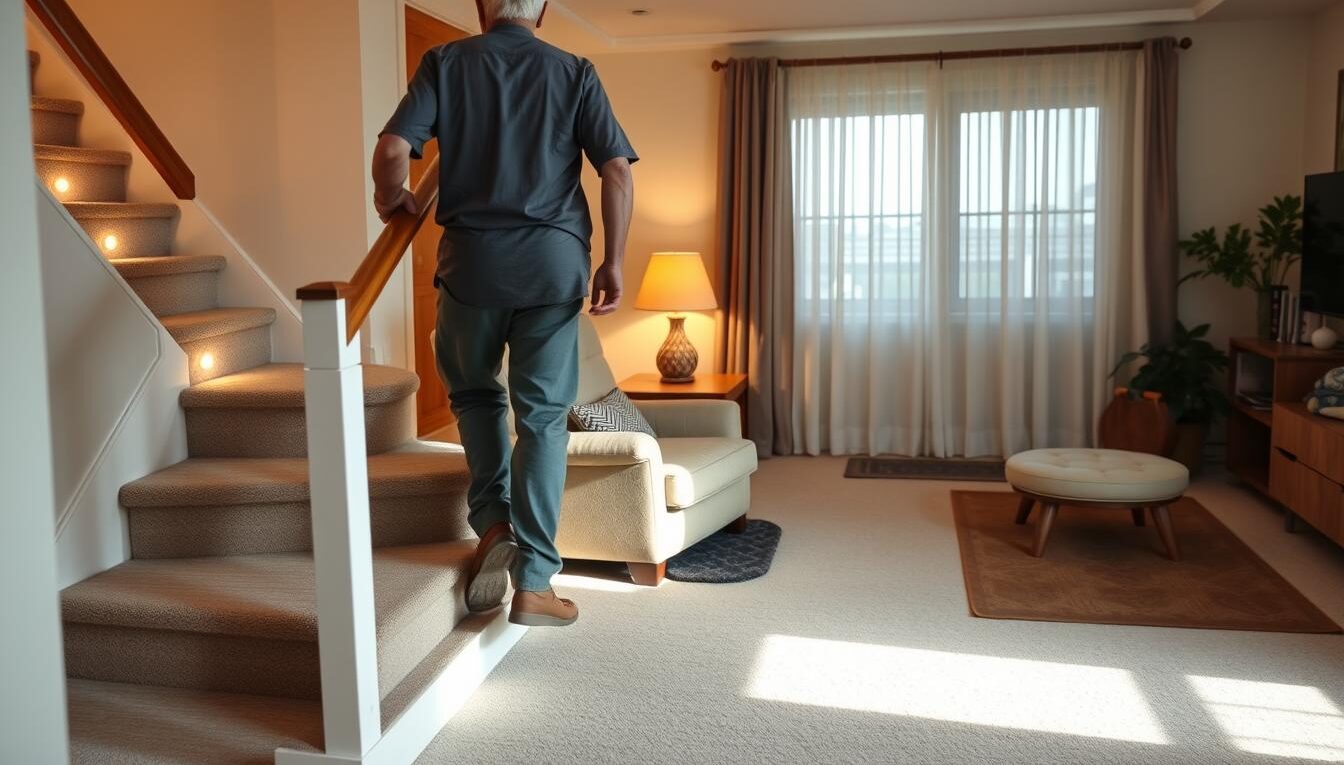
Fall Prevention at Home: Simple Changes That Can Save a Life
For people aged 65 and older, a tumble is the top cause of injury. The Centers for Disease Control and Prevention states this fact. More than one in four people in this age group experiences a fall every year.
These incidents often lead to serious harm. Broken bones and head trauma are common results. Such injuries can steal independence and lower a person’s quality of life.
A deep worry about slipping can develop, even without a prior accident. This fear causes many mature adults to stay inside. They may avoid walks, shopping trips, and visits with friends.
The good news is most of these events are not unavoidable. Practical steps around the house make a huge difference. Smart prevention builds confidence and protects a valuable life.
Understanding Fall Risks and the Impact on Older Adults
Several factors combine to create a higher risk of instability for mature individuals. Natural aging affects eyesight, hearing, and reflexes. These changes make it harder to notice hazards and react quickly.
Physical Changes and the Role of Aging in Balance
Muscle mass naturally decreases with age, a condition called sarcopenia. This loss leads to weakness and fatigue. Balance and gait problems often develop too.
Blood pressure may drop when standing up. This is known as postural hypotension. It causes dizziness and increases fall risk.
How Medications and Health Conditions Contribute to Falls
Chronic health conditions affect stability. Diabetes, heart disease, and thyroid issues are common examples. Nerve damage and foot problems also play a role.
Some prescriptions have side effects like dizziness. Taking multiple medications raises the risk. Cognitive conditions further impact safety awareness.
Foot pain makes walking difficult. Discuss all concerns with a healthcare provider. Understanding these factors is the first step toward better care.
Creating a Safer Home Environment
Many accidents occur inside the house, but they can often be avoided. A few practical changes transform any residence into a secure space. These steps significantly reduce the risk of falls.
Start with a room-by-room check for potential dangers.
Identifying and Removing Common Tripping Hazards
Identify common tripping hazards like loose rugs and clutter. Secure all rugs with non-skid backing, especially in wet areas like the bathroom.
Never layer rugs, as this creates uneven surfaces. Clear walkways of electrical cords and other obstacles immediately.
Installing Grab Bars, Handrails, and Appropriate Lighting
Proper support in key areas is crucial. Install sturdy grab bars near the toilet and in the shower area.
These devices offer stability during daily routines. Ensure handrails are present on both sides of all staircases.
Good illumination prevents missteps. Replace burnt-out bulbs promptly. Add nightlights in bedrooms and hallways.
These home modifications are simple and cost-effective. They promote confidence and support independent living, greatly reducing the chance of a fall.
Practical Tips: how to prevent falls at home for elderly seniors
Building physical resilience is a powerful defense against instability. Simple daily actions can significantly boost confidence and mobility.
Exercise and Balance Improvement Strategies
Regular movement builds essential strength and coordination. Tai chi is a top-rated activity for improving stability. This gentle practice uses slow, dance-like motions.
Walking and water workouts are also excellent choices. They enhance muscle power with minimal joint stress. Heel-to-toe walking and single-leg stands challenge your balance systems.
If fear limits your activity, speak with a healthcare provider. They might suggest a monitored program or physical therapy. A therapist can design a custom plan for your needs.
Choosing Proper Footwear and Using Assistive Devices
Supportive, non-slip shoes are crucial for safe movement. Avoid backless styles or slippery soles. Proper footwear provides a solid foundation.
Ensure canes and walkers are set at the correct height. Incorrect sizing can cause shoulder pain or forward leaning. This imbalance increases risk.
Ask a professional to check your equipment for safety. Use these aids consistently on uneven ground. They offer steady support during daily activities.
Daily Habits to Enhance Safety and Independence
Proactive health management plays a vital role in safeguarding mobility and confidence. Simple, consistent routines form a powerful shield against instability.
These daily steps empower older adults to live fully and securely.
Maintaining Regular Health Check-Ups and Vision Exams
Schedule routine appointments with your doctor. Discuss all prescribed medications and any chronic conditions.
This review can identify side effects like dizziness that increase the risk of falling. Have your eyes and hearing tested annually.
Even small changes in vision are linked to a greater risk for falls. Take time to adjust to new eyeglasses before resuming normal activities.
Always inform your doctor about any fall, even if no injury occurred. This honest communication is crucial for ongoing care and prevention.
Implementing Smart Home Adjustments and Safe Routines
Monitor your blood pressure in both lying and standing positions. A sudden drop can cause dizziness.
Practice standing up slowly from chairs and beds. Pause for a moment to let your body adjust before walking.
Prioritize getting enough sleep, as fatigue makes you less steady. Limit alcohol, as it impairs balance and judgment.
Integrate safety into your daily rhythm. Keep pathways clear and use assistive devices consistently. These mindful habits build a foundation for lasting independence.
Conclusion
A comprehensive safety plan combines environmental adjustments with personal health strategies. This approach significantly reduces risk and protects your independence.
Simple home modifications like removing hazards and adding grab bars make a big difference. Regular exercise builds essential strength and balance. Talking with your doctor about medications and health conditions is also crucial.
Remember, most accidents are not unavoidable. The Centers for Disease Control and Prevention offers excellent resources. If a tumble does happen, stay calm and assess for injury.
Keep a charged phone nearby to call for help. Taking these steps fosters confidence and supports a full, active life.

Alex Oliver is a caregiver advocate and aging support researcher with over 10 years of experience helping families navigate the emotional and practical challenges of caring for elderly loved ones. Through Senior I Love, Alex shares research-based guidance, daily care strategies, and emotional resilience tools to support caregivers worldwide.