
When tension rises, your body reacts instantly. Heart rates spike, muscles tighten, and thoughts race. But what if you could pause this cycle in minutes? Practical methods exist to help you regain control without complicated routines. Research shows focused techniques activate your body’s built-in calm response. By adjusting rhythm and depth, these strategies counterbalance stress …


Maintaining independence during restroom visits becomes increasingly challenging as we age. Over 25% of older adults face mobility limitations, with muscle weakness, joint stiffness, and balance concerns creating daily obstacles. These physical changes transform routine activities into potential hazards, particularly in spaces not designed for aging bodies. Strategic modifications can dramatically reduce fall risks while …

Providing daily assistance to loved ones requires immense dedication. Many family members feel pressure to handle everything alone, leading to exhaustion and reduced effectiveness. Recognizing when to seek assistance strengthens both personal well-being and care quality. Programs like the VA Caregiver Support Program demonstrate how structured assistance makes a difference. This initiative offers education and …

Caring for loved ones with chronic conditions or disabilities brings profound emotional and physical demands. Those in supportive roles often struggle to balance their own well-being with the needs of others. Finding healthy outlets becomes essential to navigating this complex journey. Research reveals that expressive writing creates a buffer against overwhelming thoughts. Studies show dedicating …

Supporting loved ones through health challenges can bring deep fulfillment, but prolonged responsibilities often create heavy emotional burdens. Many individuals providing care find themselves balancing complex duties for months or years, which may lead to exhaustion that creeps in unnoticed. Caregiver burnout is a recognized condition affecting millions across the United States. It stems from …

Nearly 33% of American adults struggle with insufficient rest, according to the CDC. While many assume aging reduces the need for nightly recovery, older individuals still require 7-9 hours – matching younger adults’ needs. Maintaining consistent habits becomes vital for preserving physical vitality and cognitive sharpness over time. This guide reveals how structured evening patterns …
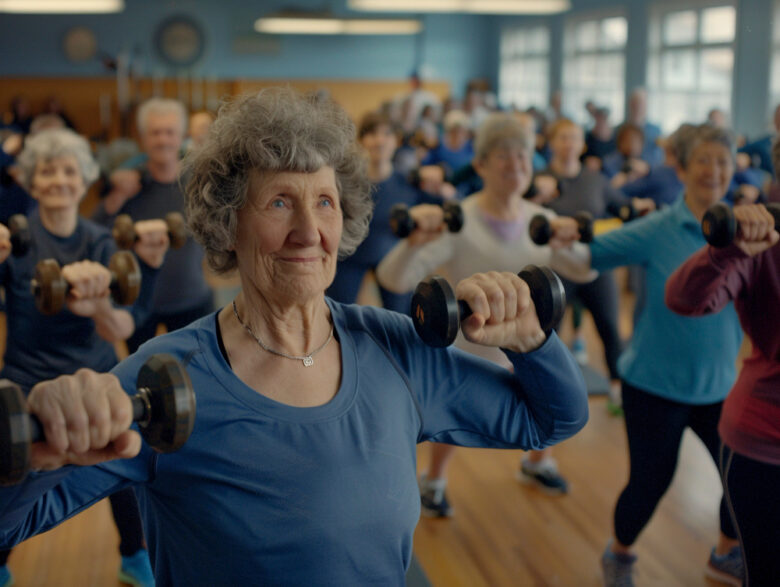
Staying active becomes increasingly vital as we age. The CDC reports that falls occur every second among those 65+, leading to 32,000 deaths annually. Regular movement isn’t just about fitness—it’s a lifeline for maintaining independence and reducing risks. Physical therapist Amy Cassady notes that simple daily activities strengthen bones, improve heart health, and boost emotional …

Maintaining good eating habits becomes more crucial as we age. A balanced diet helps older individuals stay strong, energized, and independent. It supports physical health while reducing risks linked to chronic conditions like heart disease and weakened bones. Many face obstacles that disrupt regular meal patterns. Changes in taste perception, medication side effects, and limited …

Laughter is more than a fleeting moment of joy—it’s a universal language that bridges generations. For older adults, shared humor offers measurable physical and emotional benefits, from reducing stress to improving social engagement. Caregivers and loved ones increasingly recognize its power to transform routine interactions into meaningful exchanges. Medical experts now view lighthearted moments as …

Connecting meaningfully with older adults requires more than words—it demands emotional presence and intentional engagement. Research shows 54% of seniors say patience is the most effective way to communicate. This approach builds trust and validates their lifelong experiences. Caregivers play a vital role in creating safe spaces where elders feel respected. Simple actions like maintaining …