
The Emotional Impact of Losing Independence in Later Life
Welcome. We’re exploring a deeply personal topic for many older adults and their families. This journey through the golden years
Continue reading
Welcome. We’re exploring a deeply personal topic for many older adults and their families. This journey through the golden years
Continue reading
Maintaining independence during restroom visits becomes increasingly challenging as we age. Over 25% of older adults face mobility limitations, with
Continue reading
Providing daily assistance to loved ones requires immense dedication. Many family members feel pressure to handle everything alone, leading to
Continue reading
Caring for loved ones with chronic conditions or disabilities brings profound emotional and physical demands. Those in supportive roles often
Continue reading
Nearly 33% of American adults struggle with insufficient rest, according to the CDC. While many assume aging reduces the need
Continue reading
Staying active becomes increasingly vital as we age. The CDC reports that falls occur every second among those 65+, leading
Continue reading
Welcome! If you’re navigating the golden years, you know that getting older brings new experiences. Many people wonder how to
Continue reading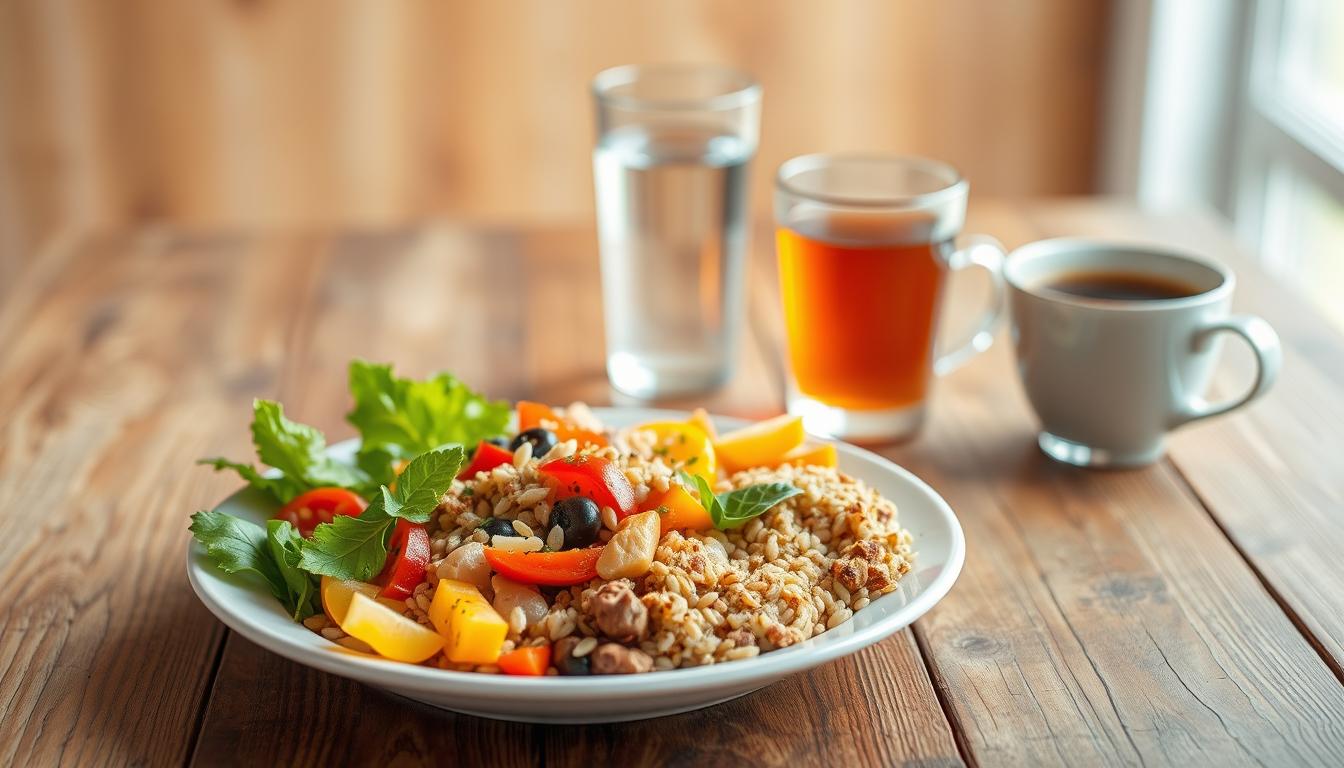
Maintaining good eating habits becomes more crucial as we age. A balanced diet helps older individuals stay strong, energized, and
Continue reading
Connecting meaningfully with older adults requires more than words—it demands emotional presence and intentional engagement. Research shows 54% of seniors
Continue reading
As we age, our bodies process substances differently. Liver and kidney functions naturally slow, impacting how prescription drugs and over-the-counter
Continue reading