
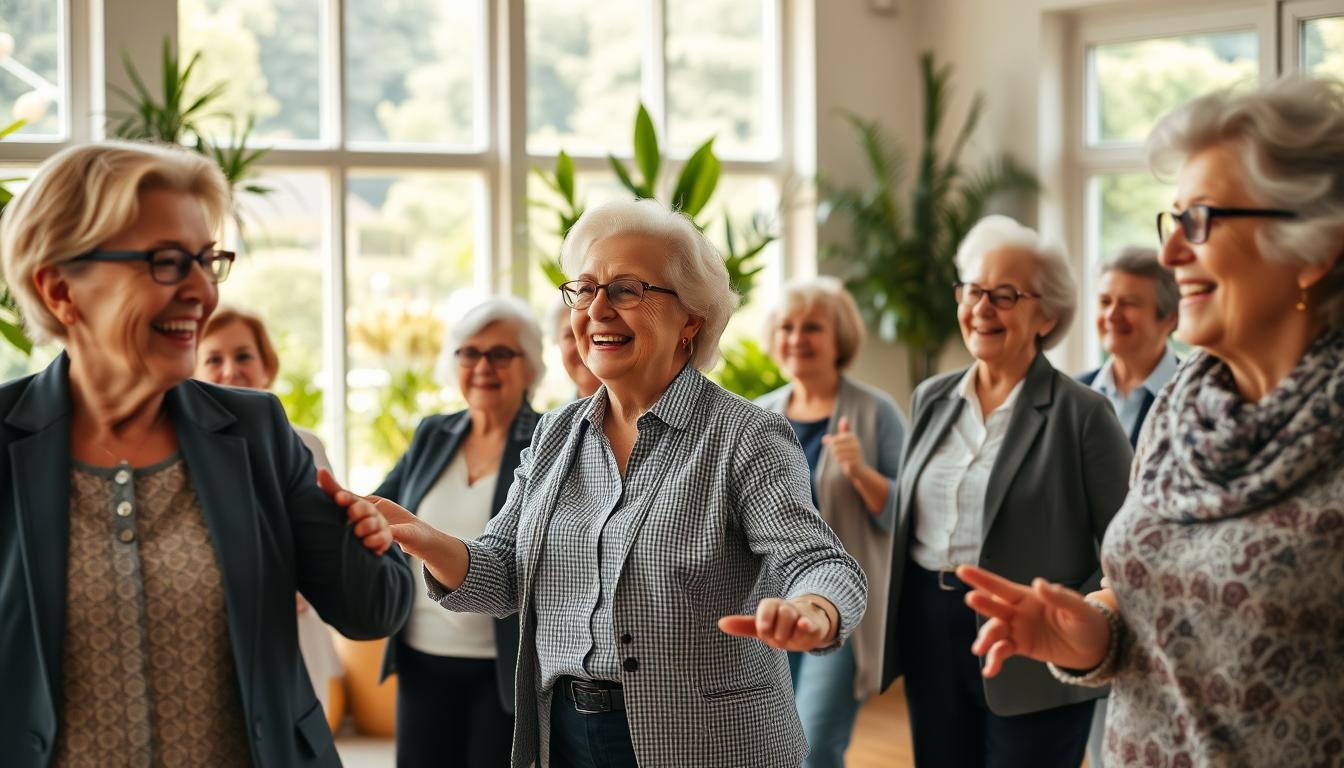
Building Confidence in Daily Living After 60
Reaching your 60s brings a unique set of experiences and challenges. Research shows that self-esteem typically rises throughout adulthood and peaks around this milestone age. Many people feel accomplished with stable careers, established relationships, and financial security.
However, after age 60, many older adults notice their self-assurance beginning to decline. Major life transitions like retirement, children leaving home, and health concerns can create anxiety. These changes often impact how people view themselves and their overall well-being.
The good news is that feeling less self-assured isn’t inevitable. There are practical strategies that can help boost your self-image and maintain a positive outlook. Small lifestyle adjustments can create significant improvements in how you approach each day.
This guide will explore why these confidence shifts happen and provide actionable solutions. You’ll discover ways to build lasting self-esteem while navigating the changes that come with aging.
Key Takeaways
- Self-esteem typically peaks around age 60 before facing new challenges
- Major life transitions like retirement can impact self-image
- Health concerns and changing independence affect daily assurance
- Practical strategies exist to boost self-esteem at this life stage
- Small lifestyle adjustments can create meaningful improvements
- Building lasting confidence is achievable with the right approach
- This guide offers hope and actionable solutions for moving forward
Embracing an Active Routine for Confidence in Daily Living Seniors
An active lifestyle combined with mindful eating habits creates powerful benefits for those navigating their post-60 journey. When you consistently engage in activities that support your well-being, you naturally feel better about yourself.
Daily Exercise Tips and Movement Strategies
Regular physical activity provides tremendous advantages for maintaining strength. Gentle options like tai chi and balance classes help improve stability while being easy on joints.
Walking routines build endurance and support cardiovascular health. Movement releases endorphins that create natural feelings of accomplishment.
Group exercise classes also offer social connections. Staying active through clubs or hiking groups expands your network while improving fitness.
Nutrition and Healthy Eating Habits
Proper fuel makes a significant difference in how you feel each day. Aging bodies benefit from specific nutritional needs different from younger years.
A diet rich in lean proteins, colorful fruits, and whole grains supports organ function. These foods provide essential nutrients for optimal physical health.
Heart-healthy choices leave you feeling more energetic and ready to embrace each day. Taking control of your nutrition creates positive feelings of independence.
Cultivating Self-Care and Personal Hygiene
Personal care routines form the foundation of how we present ourselves to the world each morning. When you prioritize your hygiene, you send yourself a powerful message of self-worth.
This commitment to self-care creates positive momentum that carries through your entire day. Simple tasks become opportunities to reinforce your value.
Establishing a Restorative Daily Routine
Creating a consistent morning ritual makes self-care automatic. Start with basic hygiene tasks like showering and oral care.
Even when staying home, prepare for the day as if expecting company. This mindset shift can dramatically improve how you feel.
Completing your routine every day builds a sense of accomplishment. For those needing assistance, home care options provide valuable help.
Dressing for Success and Feeling Empowered
Your clothing choices should reflect your personality, not age stereotypes. Choose pieces that make you feel good about yourself.
Comfortable options that express your style boost self-image. Bright colors and favorite accessories can transform your outlook.
When you think you look good, you naturally feel more positive. This creates a cycle that motivates continued self-care.
Building Strong Social Bonds and Community Connections
Meaningful connections with others provide a powerful foundation for well-being as we age. Research confirms that older adults with strong social ties experience better emotional health.
These bonds remind us of our value and create essential support systems. Many people find that maintaining relationships becomes even more important later in life.
Connecting Through Clubs, Classes, and Volunteer Work
Shared interests offer excellent opportunities to meet new friends. Local libraries and community centers host various activities that help build connections.
Book clubs, art classes, and gardening groups bring people together through common passions. Volunteering provides dual benefits by helping others while creating personal fulfillment.
Animal shelters, theaters, and local events always need enthusiastic helpers. This work creates natural pathways to form new relationships in positive settings.
Overcoming Stereotypes and Embracing New Friendships
Starting small is key when reaching out to new people. Focus on one activity that genuinely interests you each week.
Social media groups centered on hobbies can help seniors feel more connected. Quality time with a loved one reinforces your importance in others’ lives.
Remember that you’re never too old to form meaningful friendships. Every interaction today is an opportunity to strengthen your social network.
Incorporating Mental Well-Being and Achievable Goal Setting
Cultivating inner peace through mindfulness techniques offers powerful benefits for emotional balance. Negative thinking patterns can affect how older adults approach each day. These habits may prevent trying new activities or meeting people.
Addressing mental health concerns early helps maintain overall wellness. Sometimes self-criticism becomes overwhelming without support. Professional therapy provides valuable tools for challenging negative thoughts.
Mindfulness Practices for Stress Management
Simple techniques like meditation and deep breathing reduce anxiety effectively. These practices create mental space between thoughts and reactions. Regular mindfulness builds resilience against stress.
Physical movement serves double duty by easing anxiety while improving health. Gentle exercise creates natural stress relief through endorphin release. This approach helps find peace of mind and maintain emotional balance.
Setting practical goals provides motivation and a sense of progress. Start with small steps like painting daily or trying new hobbies. Reaching milestones helps people feel good about their abilities.
Exploring activities like gardening or journaling creates positive outlets for expression. The process of working toward objectives builds lasting self-assurance. Everyone can improve skills and find what makes them feel confident.
Seeking support shows strength in addressing mental health challenges. Professional guidance helps develop coping strategies for difficult times. This proactive approach supports independence and well-being throughout life.
Empowering Daily Independence and Lifelong Growth
Maintaining your independence as you age is about smart choices, not just physical ability. Many older adults face mobility challenges that affect routine tasks. Accepting help with certain activities doesn’t diminish your self-worth.
Getting support can actually free up time to explore new interests. Professional caregivers provide valuable assistance without burdening family members. This approach helps build a positive balance in your life.
Simple home modifications make a significant difference. Handrails, easy-grip utensils, and strategic organization support safe movement. These options allow you to manage daily living with greater confidence.
Your retirement years offer wonderful opportunities for growth. Focus on activities that bring joy and fulfillment. Every small step you take today creates meaningful progress toward lasting well-being.
FAQ
What are some simple ways for older adults to stay active every day?
How can a daily routine help me feel more in control?
I want to make new friends. Where should I start?
What if I’m worried about my balance and preventing falls at home?
How can mindfulness help me manage stress?

Alex Oliver is a caregiver advocate and aging support researcher with over 10 years of experience helping families navigate the emotional and practical challenges of caring for elderly loved ones. Through Senior I Love, Alex shares research-based guidance, daily care strategies, and emotional resilience tools to support caregivers worldwide.