
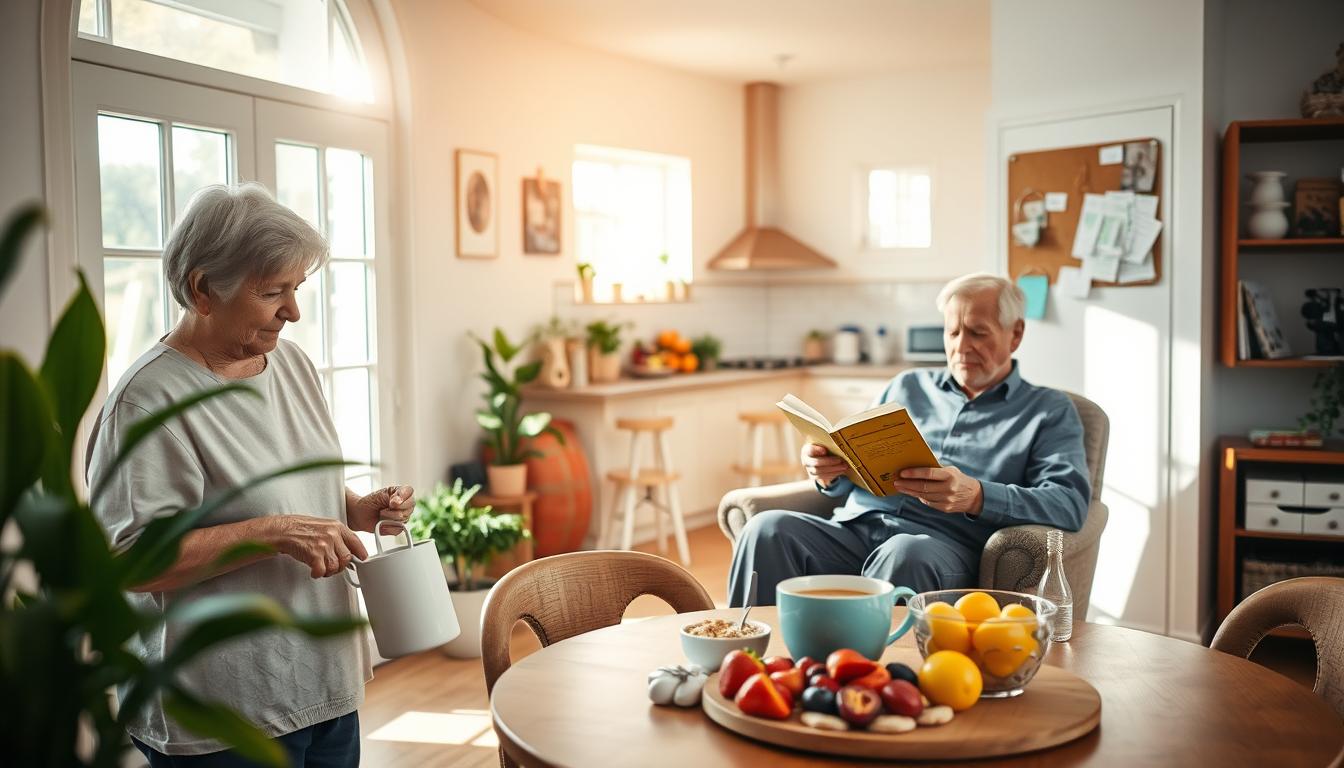
Daily Routines That Support Seniors Living Alone
Waking up with purpose and direction transforms how we experience each day. For older adults maintaining their independence, structured patterns create a foundation for thriving rather than just surviving.
Research from the Journal of Psychology shows that consistent habits significantly improve mental health. People feel safer, less stressed, and generally happier when they have predictable rhythms in their lives.
These patterns bring stability and numerous benefits to older individuals. They boost mental clarity, productivity, and that essential sense of purpose we all need.
Good habits also mean better sleep quality. By sticking to regular wake-up and bedtime hours, people can synchronize their sleep-wake cycles. This leads to feeling more rested and energized.
Your journey to establishing meaningful patterns begins with understanding that structure isn’t about rigidity. It’s about creating a roadmap that guides you toward better health and genuine fulfillment in your golden years.
Living independently at home becomes genuinely rewarding when you embrace routines that honor your unique needs. This comprehensive guide will inspire you to craft patterns that celebrate your autonomy and nurture your quality of life.
Understanding the Importance of a Daily Routine
The power of a consistent daily pattern lies in its ability to transform chaos into calm. For many older adults, these structures are not restrictive; they are liberating. They provide a framework that supports both physical and mental health.
Scientific research confirms the profound benefits. A study in the Journal of Psychology found that consistent routines significantly improve mental well-being. They reduce feelings of stress and create a comforting sense of security.
Effective time management is another key advantage. When your day has a predictable flow, you free your mind from constant decision-making. This allows you to focus energy on activities that bring joy and meaning.
Perhaps one of the most remarkable benefits is improved sleep quality. Sticking to regular sleep-wake cycles helps your body rest more deeply. Waking up feeling refreshed boosts energy and sharpens thinking for the day ahead.
For older adults, embracing these routines is an act of self-care. It builds a foundation for a healthier, more fulfilling life, empowering you to thrive in your own home.
Building a Consistent Schedule for Older Adults
Establishing a structured framework for your day empowers you to take control of your time and well-being. This approach helps older adults create meaningful patterns that support independence.
Setting Regular Wake-up and Bedtimes
Consistent sleep patterns synchronize your body’s natural rhythms. This way of structuring your day leads to better rest and more energy.
Many seniors find that fixed sleep times improve their overall health. Waking up refreshed makes everything else easier to accomplish.
Breaking the Day into Manageable Chunks
Divide your hours into purposeful blocks for different activities. This prevents overwhelm and ensures balanced attention to all needs.
Schedule specific periods for exercise, meals, and social connections. These structured routines create natural transitions throughout your day.
Older adults benefit from having varied activities in their schedule. This approach keeps things interesting while supporting well-being.
Remember that flexibility makes these patterns sustainable for seniors. Your schedule should serve you while allowing for spontaneous moments.
Daily Routines for Seniors Living Alone
Designing your own daily structure transforms ordinary moments into meaningful experiences. This personal framework reflects your values and supports your independence.
Morning patterns set a positive tone for your entire day. Gentle stretching and nutritious breakfasts prepare you mentally and physically.
Midday hours offer opportunities for engaging pursuits. Hobbies, social connections, and personal errands keep you connected to the world.
Afternoon and evening patterns provide natural wind-down periods. Relaxing activities and meal preparation ease you toward restful sleep.
The way you structure your daily life at home should honor your natural energy rhythms. Schedule demanding tasks during peak hours and gentler pursuits when recharging.
Your routine should balance essential care with soul-nourishing activities. This approach ensures living independently remains fulfilling and joyful.
Remember that your daily framework can evolve as needs change. What works today can be adjusted tomorrow to serve you even better.
Incorporating Physical Activity into Your Routine
Your body thrives on motion, and incorporating regular activity transforms overall wellness. Movement serves as powerful medicine for maintaining independence and vitality.
Physical exercise delivers remarkable benefits for older adults. It strengthens your heart, builds muscle, and improves balance. The American Council on Exercise confirms it helps manage chronic conditions.
Simple Exercises to Improve Balance and Strength
You can perform effective activities right at home. Seated leg lifts and wall push-ups build foundation strength. Balance exercises like standing on one foot prevent falls.
Tai chi and gentle yoga poses dramatically reduce fall risk. These activities boost confidence in movement. Strength training maintains muscle mass using resistance bands or light weights.
Staying Safe While Being Active
Safety should guide your exercise choices. Start slowly and listen to your body’s signals. Proper footwear and hydration support safe movement.
Consult your healthcare provider before beginning new exercise routines. The National Institute on Aging recommends 150 minutes weekly. This breaks down to manageable 30-minute sessions.
Everyday activities like gardening contribute to overall health. Staying active honors your body’s need for movement. It’s a loving way to care for yourself through the years.
Boosting Mental Clarity with Brain Workouts
Mental fitness exercises unlock your brain’s remarkable capacity for growth and adaptation at any stage of life. Regular cognitive challenges keep your thinking sharp and vibrant while supporting long-term brain health.
These activities strengthen neural connections and improve problem-solving abilities. They offer powerful protection against cognitive decline and dementia.
Puzzles, Memory Games, and Digital Training
Crossword puzzles, Sudoku, and jigsaw puzzles challenge different parts of your brain. They enhance memory, attention, and mental flexibility in enjoyable ways.
Digital training programs provide structured exercises backed by research. These tools target specific cognitive functions that matter for maintaining independence.
Learning new skills creates fresh neural pathways. Whether it’s a language or musical instrument, growth remains possible throughout life.
Mindfulness and Meditation Techniques
Mindfulness practices reduce stress and improve emotional health. Deep breathing exercises require minimal time but deliver significant benefits.
Meditation enhances focus and cultivates inner peace. Just a few minutes daily can transform your mental clarity and overall well-being.
These techniques work synergistically with cognitive exercises. Together they create a comprehensive approach to brain health that makes each day more meaningful.
Nurturing Social Engagement and Reducing Isolation
Human connection serves as powerful medicine for both body and spirit. Research confirms that meaningful relationships significantly impact physical health and emotional wellness.
The U.S. Surgeon General reports that isolation carries health risks comparable to smoking 15 cigarettes daily. This sobering reality highlights why building community connections matters so deeply.
Regular interaction with family members and loved ones creates essential emotional support. Technology makes staying connected easier than ever through video calls and messaging apps.
Group activities at local centers offer wonderful opportunities to meet new people. Book clubs, exercise classes, and volunteering provide structured social engagement.
Quality relationships matter more than quantity when combating loneliness. Even one or two meaningful connections can dramatically improve well-being for older individuals.
Taking initiative to reach out builds the connected life you deserve. Living independently becomes richer when you actively nurture your social world.
Developing Healthy Eating Habits and Balanced Meals
The food choices you make each day become powerful allies in your journey toward vibrant health. What you put on your plate directly fuels your energy, strengthens your immune system, and supports chronic condition management.
Research from the Journal of Nutrition confirms that balanced meals provide remarkable benefits. Combining colorful fruits, vegetables, whole grains, lean proteins, and healthy fats creates a complete nutritional spectrum.
Preparing Nutrient-Rich Foods
Nutrient-dense foods deliver maximum value in every bite. Think vibrant berries packed with antioxidants or leafy greens full of essential vitamins.
These powerful ingredients support heart and brain function. They help maintain strength and vitality for an independent lifestyle.
Simple preparation strategies make healthy eating manageable. Batch cooking soups or using a slow cooker saves time and effort.
Portion control becomes increasingly important for metabolic health. Mindful serving sizes help maintain a healthy weight while providing adequate nutrition.
This approach to meals is a profound act of self-care. It honors your body’s needs and directly supports your ability to thrive at home.
Prioritizing Personal and Self-Care Practices
Honoring your personal needs through dedicated self-care creates a foundation for vibrant well-being. This investment in yourself pays dividends across all aspects of your life.
Personal hygiene practices extend beyond basic cleanliness. Regular bathing, dental care, and grooming rituals maintain dignity while preventing health issues.
Simple routines like morning showers and oral hygiene create a comforting rhythm. These practices help you feel confident and ready to embrace each day.
When physical challenges arise, adaptive tools and professional support ensure continued self-care. Asking for assistance demonstrates wisdom, not weakness.
Stress reduction techniques offer powerful protection for mental and physical health. Deep breathing exercises can calm your nervous system in moments of tension.
Meditation and gentle movement practices like yoga provide a holistic way to reduce stress. They combine physical activity with mindfulness for comprehensive benefits.
The time you dedicate to self-care enhances your capacity for everything else. It sends a powerful message that your well-being matters.
Many older individuals find that consistent self-care rituals create a profound sense of peace. This approach honors your journey while supporting independence.
Managing Medication and Daily Health Monitoring
Taking control of your health management transforms medication from a chore into an empowering act of self-care. Nearly 90% of older adults take prescription drugs, with many managing multiple medications simultaneously.
Effective systems reduce risk and enhance safety. The CDC found half of all prescriptions are taken incorrectly. This highlights why proper management is essential for your health.
Tools and Techniques for Medication Management
Simple tools make medication management manageable. Pill organizers with daily compartments prevent missed doses. Written medication lists document every drug and dosage clearly.
Create a dedicated medication station in your home. This single, well-lit space reduces confusion. It supports consistent care for older adults managing complex regimens.
Technology offers sophisticated solutions for medication safety. Smartphone apps provide timely reminders. Automated dispensers alert you when doses are due.
Open communication with healthcare providers identifies potential interactions. Discuss all medications, including supplements. This proactive approach addresses your unique needs.
Daily health monitoring extends beyond medications. Track vital signs like blood pressure. Note symptoms that might require medical attention.
Never hesitate to ask for help with medication management. Family support reduces risk and provides peace of mind. Effective systems work with your lifestyle while prioritizing safety.
Exploring In-Home Care Services and Support Options
Exploring available care services reveals a world of possibilities for comfortable aging in place. These professional support options empower you to maintain independence while addressing specific needs.
Home care services range from personal assistance to specialized medical care. Professionals can help with bathing, dressing, meal preparation, and medication management.
Proactive safety modifications dramatically enhance your living environment. Installing grab bars, improving lighting, and removing tripping hazards create a secure home.
Many companies offer free safety assessments to identify potential improvements. These evaluations help you create a personalized plan before assistance becomes urgent.
Accepting professional care is a wise choice that benefits both older individuals and their families. It reduces caregiver stress while ensuring your specific requirements are met with dignity.
Connecting with Community Resources and Senior Services
Your community holds a wealth of support specifically designed to help you thrive independently. Discovering these valuable services can dramatically enhance your quality of life and sense of belonging.
Area Agencies on Aging serve as your local gateway to comprehensive assistance. They connect older adults and their families with transportation, meal programs, and home modifications.
The Eldercare Locator offers a simple way to find local resources nationwide. Call 800-677-1116 to speak with trained specialists who understand your unique needs.
Senior centers provide vibrant hubs for social connection and wellness. They offer nutritious meals, fitness classes, and opportunities to meet new people.
National organizations like NCOA and AARP provide powerful tools for older adults. BenefitsCheckUp helps identify financial assistance programs you may qualify for.
Many community services are free or low-cost through government programs. Transportation assistance and meal delivery options exist to support your independence.
Building connections with these resources creates a safety net that empowers your journey. You deserve access to the care and support that makes independent living fulfilling.
Embracing an Inspired Daily Life for Independent Living
Your journey toward an inspired life at home is built on small, intentional choices that accumulate into profound well-being. This path isn’t about perfection but progress that honors who you are.
Every strategy we’ve explored works together to create a strong foundation. Physical activity, mental stimulation, and social connection support your overall health and independence.
The relationships you maintain with loved ones provide emotional richness that transforms mere existence into genuine living. Connection serves as the foundation of well-being as you get older.
Remember that asking for help demonstrates wisdom, not weakness. Countless resources exist to help older adults live safely and joyfully at home.
Your independence is precious. With the right mindset and support systems, you can create a life that celebrates your autonomy while honoring your needs.

Alex Oliver is a caregiver advocate and aging support researcher with over 10 years of experience helping families navigate the emotional and practical challenges of caring for elderly loved ones. Through Senior I Love, Alex shares research-based guidance, daily care strategies, and emotional resilience tools to support caregivers worldwide.