
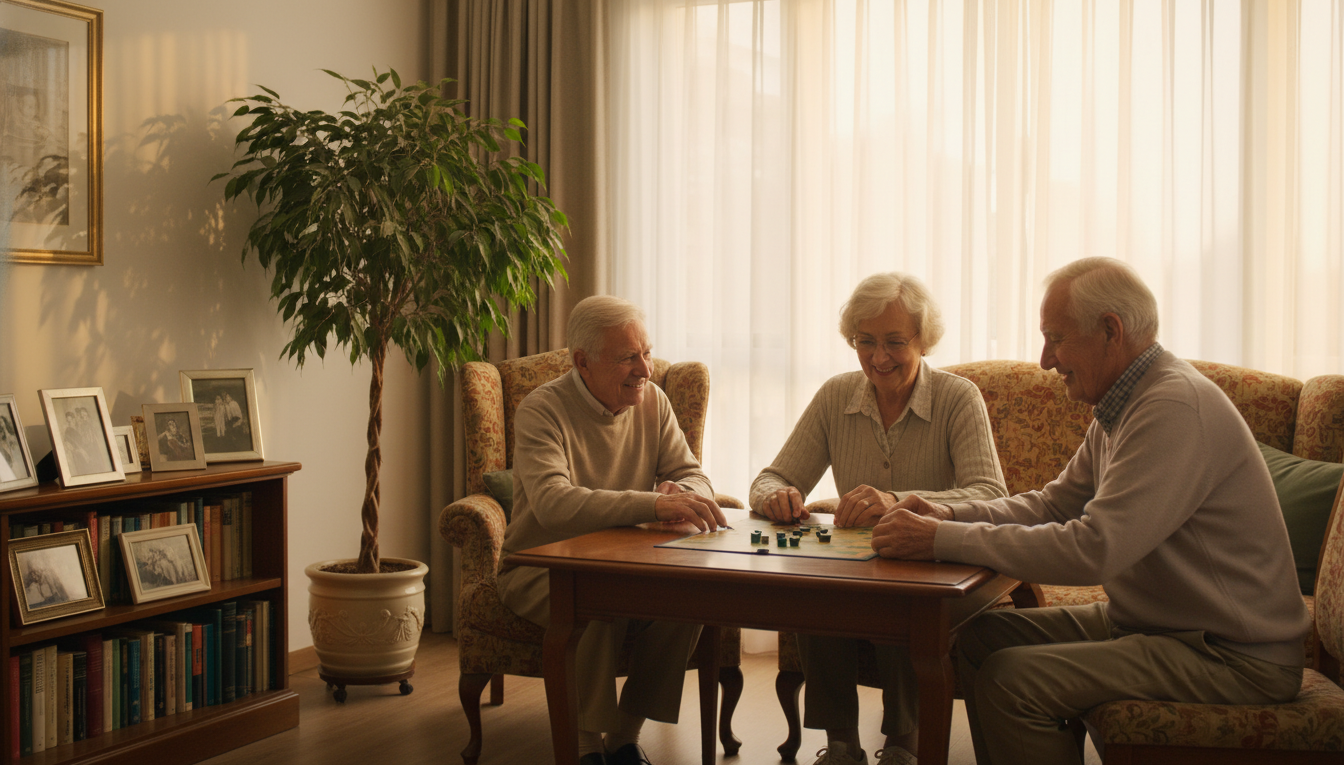
How Seniors Can Maintain Independence While Aging at Home
For many older adults, their home is more than just a building. It is a place filled with memories, familiar routines, and a deep sense of comfort. The desire to stay in this cherished environment is powerful. According to an AARP survey, a striking 75% of adults aged 50 and older want to remain in their current residence as they get older.
This choice reflects a strong preference for a familiar lifestyle. With over 54 million individuals representing the senior population, this trend is significant. Many already live alone, highlighting a widespread wish to control their daily life. This guide explores how to make this goal a safe and fulfilling reality.
We will provide actionable strategies for creating a supportive living space. The focus is on practical modifications and reliable support systems. These elements empower older adults to live safely and comfortably on their own terms. It’s about creating an environment that fosters well-being and dignity.
Key Takeaways
- A vast majority of older adults prefer to stay in their current homes.
- A home represents personal history, comfort, and control over daily life.
- Successful aging in place requires thoughtful planning and home adaptations.
- Building a strong support network is crucial for safety and social connection.
- Proactive steps can address common challenges like mobility and isolation.
- Independence means having the right help to live life on your own terms.
Understanding the Importance of Aging in Place
A person’s dwelling becomes an extension of their life story, making the choice to stay there profoundly meaningful. This residence holds daily routines, cherished memories with neighbors, and the comfort of familiar spaces. It represents personal control over one’s own schedule and environment.
Home as a Center of Memories and Control
For many seniors, their residence is the center of life’s achievements and personal identity. Moving can feel like losing part of oneself. The emotional benefits of familiar surroundings are significant.
Seniors experience less stress and confusion when they wake up in the same place they’ve known for years. This stability supports mental health and overall well-being. Research shows that proper support systems yield better outcomes.
Statistics and Trends in Senior Living
Current data reveals strong preferences for community-based living. According to AARP’s 2021 survey, three-quarters of older adults want to stay in their current residence. This trend reflects a deep personal desire to preserve one’s established life.
The concept has evolved to include support services and home modifications. Family members play a crucial role in this process. The goal is helping seniors thrive in their chosen environment.
Key Challenges and Solutions for Seniors Living at Home
Experts note that the ability to remain in a cherished residence is often tested by accumulating small, manageable issues. A minor stumble can spark worries about home safety. This can lead to less movement, creating barriers to transportation and social outings.
Personal care, chores, and medication management can also become significant hurdles. This cascade of challenges is typically what leads to a move, not one single event.
Addressing Safety Risks and Daily Task Hurdles
Common safety risks include fall hazards and difficulty with daily tasks. Bathing, dressing, and meal preparation may become time-consuming or risky.
Effective solutions target these specific needs. Home care services offer crucial assistance with these activities. This reliable help allows individuals to receive support without relocating.
Coordinating In-Home Care and Family Support
Often, a family member tries to coordinate this care from a distance. Juggling this responsibility with work and parenting is a heavy burden.
Professional home care coordination can ease this load. It connects a loved one with the right services, from transportation to medication management. This creates a sustainable plan tailored to evolving needs, providing peace of mind for the entire family.
Strategies for Maintaining Independence While Aging at Home
Technology and tailored services are transforming the landscape of in-home living for older adults. These solutions provide practical support that addresses specific daily needs. This approach empowers individuals to live safely and comfortably.
Implementing Assistive Technology and Devices
Modern technology offers innovative ways to enhance safety. Voice-activated devices can provide medication reminders and call for help instantly.
Personal Emergency Response Systems give seniors confidence. They know that emergency assistance is available with a simple button press. This reliable support system is a cornerstone of secure living.
Customizing Care Plans and Support Services
Effective care is not one-size-fits-all. Customized plans coordinate specific services based on individual requirements. This ensures the right level of help is provided.
Home care services range from light housekeeping to skilled nursing. This flexibility allows support to change as needs evolve. Professional coordination simplifies access to these vital care options for seniors and their families.
Enhancing Mobility, Health, and Cognitive Function
A holistic approach to well-being integrates physical fitness, mental sharpness, and social bonds. These elements work together to support a vibrant and engaged life. Focusing on these areas helps older adults thrive.
Balance, Strength Training, and Exercise Tips
Good health starts with mobility. Simple activities like daily walks build strength. Doing them with friends adds a social benefit.
Balance exercises are crucial for safety. Tai chi and modified yoga are excellent choices. They help prevent falls and build confidence.
Even light chores around the house count as physical activity. Always check with a doctor before starting new routines. This ensures safety for seniors.
Staying Mentally Active and Socially Connected
Mental stimulation is key for cognitive health. Puzzles, reading, and hobbies like gardening challenge the brain. These activities provide a sense of purpose.
Staying connected with loved ones fights isolation. Regular phone calls or video chats make a big difference. Community groups offer great ways to socialize.
Combining physical, mental, and social activities creates a powerful strategy. This supports seniors in living fully each day.
Home Adaptations and Accessibility for Safer Living
The physical environment of a home plays a crucial role in supporting continued independence for older residents. Strategic modifications create spaces that are both safe and functional.
Designing an Accessible Home Environment
Structural changes address mobility challenges directly. Converting stairs to ramps prevents trips and helps those with walking difficulties. Widening doorways accommodates walkers and wheelchairs.
Leveling floors eliminates steps between rooms. Adjusting counter heights improves accessibility. Installing roll-in showers makes bathing easier and safer for seniors.
Installing Essential Safety Accessories
Safety accessories provide crucial support points throughout the home. Grab bars in bathrooms offer stability during daily tasks. Handrails along hallways prevent falls.
Smart home technology allows control of lighting and security from smartphones. Non-slip mats reduce risks during chores. Proper lighting with motion sensors enhances safety.
An occupational therapist can identify hidden hazards. They recommend specific modifications for individual needs. These adaptations create supportive environments for older adults.
A Final Look at Achieving Independent Living at Home
Empowering older adults to live on their own terms is the central goal. The comprehensive strategies discussed—from professional care coordination to home safety modifications—create a robust framework for success.
This approach honors the deep preference for familiarity and autonomy. It provides the necessary support without sacrificing personal choice. The benefits extend to enhanced well-being and significant financial savings for families.
Proactive planning is the key to sustainable living. Addressing needs early prevents small challenges from becoming overwhelming crises. This foresight ensures a loved one can thrive in their cherished residence.
Ultimately, achieving this goal is a realistic and deeply rewarding endeavor. It preserves dignity, purpose, and control over daily life for seniors.

Alex Oliver is a caregiver advocate and aging support researcher with over 10 years of experience helping families navigate the emotional and practical challenges of caring for elderly loved ones. Through Senior I Love, Alex shares research-based guidance, daily care strategies, and emotional resilience tools to support caregivers worldwide.