
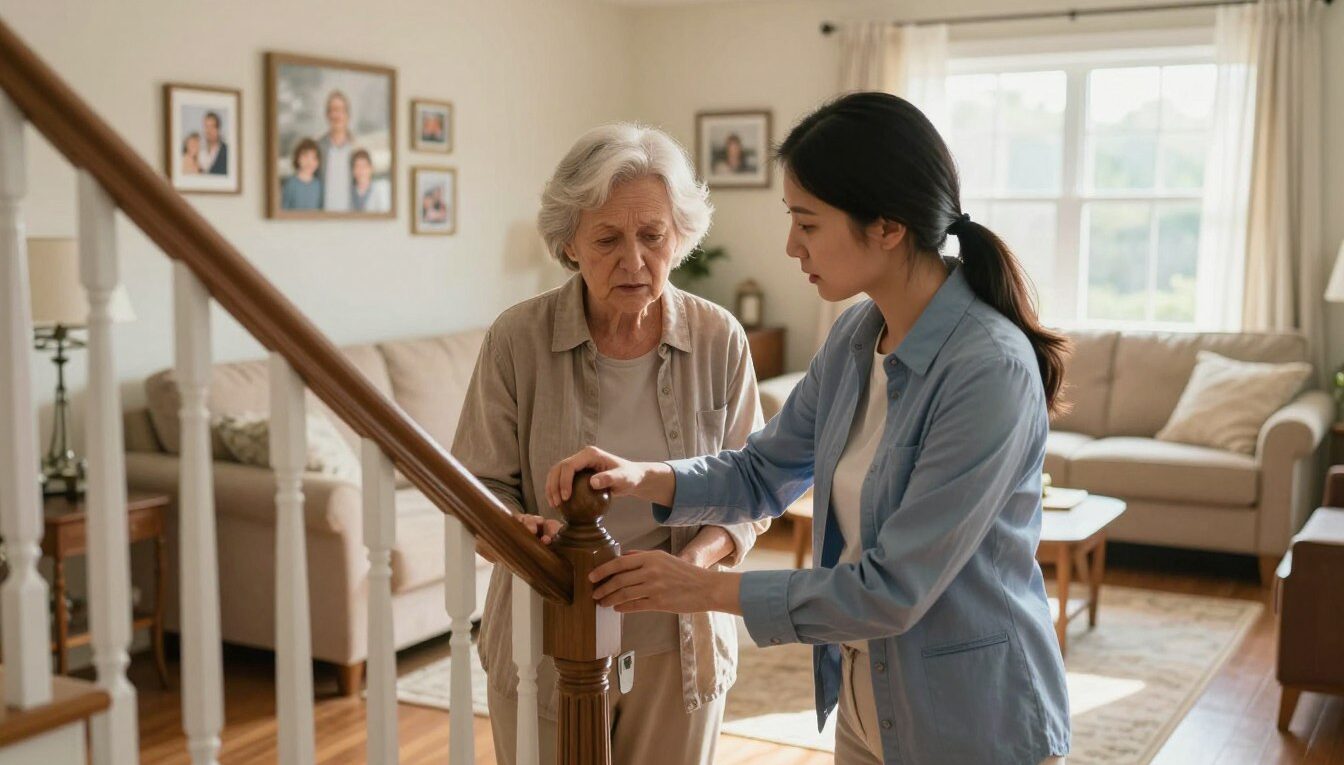
Is It Still Safe? Signs Your Parent May Need More Support at Home
For many families, a quiet concern grows about an aging loved one’s ability to manage independently. The desire to stay at home is strong, but safety must come first.
Data reveals a sobering reality. Each year, nearly 3 million older adults visit emergency rooms due to falls. About 300,000 are hospitalized for hip fractures. Often, a major incident is the first clear warning.
Subtle signs of decline are frequently missed. A mom or dad may hide struggles out of pride or fear of becoming a burden. They might have “good days” when visitors call, masking daily challenges.
Consider the daughter who got a 2 AM call. Police found her father wandering, confused and unable to recall his address. These sudden crises force difficult decisions.
This guide outlines 12 critical warning flags. Recognizing these objective signals is essential. They show what a loved one might not say.
Proactive assessment can prevent injury and preserve well-being. It helps families explore care options and make informed choices for lasting safety.
Overview of Elderly Parent Support at Home
Aging naturally brings changes that can subtly transform a once-familiar home into a landscape of potential hazards. Maintaining independence requires understanding these shifts. Proactive support helps older adults continue living in their preferred environment.
The Importance of Regular Safety Assessments
Routine check-ups of the living space are essential. They identify risks before accidents happen. This preventive approach supports continued independence at home.
Assessments should examine all areas where daily activities occur. They review lighting, flooring, and accessibility features. Regular evaluations adapt the environment to changing needs over time.
How Aging Impacts Daily Living and Home Safety
Physical changes affect basic capabilities. Reduced vision makes reading labels difficult. Balance issues increase fall risks on stairs or uneven surfaces.
Diminished strength turns simple chores into exhausting tasks. Cognitive shifts may impact medication management or meal preparation. Memory concerns can lead to overlooked household maintenance.
Multiple factors determine if current arrangements provide adequate security. These include physical health, mental sharpness, and social connections. Understanding these interactions guides appropriate care decisions.
Recognizing signs elderly parent can no longer live alone safely
A key insight from care professionals is that vulnerabilities often appear in groups. A single mishap might be an accident. When several concerning indicators arise together, it signals a deeper need for assistance.
Geriatric specialists note that observing three or more critical warning signs warrants an immediate safety review. This isn’t about catching someone doing wrong. It’s an objective assessment to ensure security and wellbeing.
Accepting that a loved one requires more help is emotionally difficult. This step is essential for preventing a serious crisis. Proactive planning protects their health and independence.
The following sections detail specific warning categories. These include critical safety issues, self-care declines, behavioral shifts, and social withdrawal. Understanding these patterns allows for timely, thoughtful action.
Early recognition gives families options. It enables planned modifications, in-home care arrangements, or considered transitions. This approach is far better than making rushed decisions during an emergency.
Warning Signs: Frequent Falls and Mobility Challenges
Recurrent stumbles and balance problems are among the most urgent warnings for families to heed. Falls are a leading cause of injury for seniors.
Each year, nearly 3 million older adults visit the ER due to falls. About 300,000 are hospitalized for hip fractures. Sadly, 20% of these patients pass away within a year.
A single fall can start a dangerous cycle. It often leads to hospitalization, loss of confidence, and further physical decline. This cascade effect threatens a loved one’s independence.
Common Indicators of Falling and Balance Issues
Watch for unexplained bruises on arms, legs, or the face. New cuts or scrapes they cannot explain are red flags.
Listen for mentions of tripping or bumping into furniture. If chairs and tables are suddenly used for balance support, it’s a clear sign. A new fear of stairs or walking is also concerning.
One man noticed his father had leg bruises for weeks. He didn’t connect the dots until a major fall caused a broken hip. Doctors said the bruising pattern showed months of prior tumbles.
Preventive Measures and Safety Enhancements
Immediate medical evaluation is crucial. It can uncover causes like medication side effects, vision loss, or other health issues.
A thorough home safety assessment is the next step. Remove throw rugs and clutter. Improve lighting in hallways and bathrooms.
Install grab bars in critical areas. Consider a walker or cane for stability. Professional in-home care can provide monitoring and help to prevent future accidents.
Managing a Declining Home Environment
A once-tidy home descending into disarray is a powerful, visual clue that daily tasks are becoming overwhelming. This change in living conditions often signals that a loved one needs more support.
Signs of Messy, Cluttered, or Unsafe Home Conditions
Watch for piles of dirty dishes and overflowing trash. Stained clothing left out and strong odors are common. Unopened mail and spoiled food in the fridge are clear indicators.
Excessive clutter creates major trip hazards. Broken items go unfixed. Pest problems, like bugs or rodents, point to serious sanitation issues.
These problems are more than just untidy. They create real safety risks. Clutter leads to falls. Spoiled food and pests bring health concerns. Fire hazards increase with accumulated materials.
Physical exhaustion often causes this decline. Mobility limits prevent vacuuming or reaching. Poor vision means messes go unseen. Cognitive changes affect judgment about cleanliness. Depression can remove all motivation for upkeep.
One daughter found her always-neat mother living differently. Dishes from weeks ago filled the sink. Trash was everywhere, and roaches were present. Her mother cried, admitting she couldn’t keep up but was too ashamed to ask for help.
Immediate action is required. Arrange professional cleaning to restore sanitation. Hire home health aides for daily maintenance. A full assessment of physical and cognitive capacity is needed. Consider downsizing or a move to assisted living where housekeeping is provided.
Financial and Medication Management Red Flags
Financial disarray and medication errors are silent alarms that a loved one’s cognitive abilities may be faltering. These complex tasks require sharp memory and organized thinking.
Issues with Bill Payments and Mismanaged Medications
Watch for piles of unopened mail and disconnection notices. Late fees or shut-off warnings for utilities are serious problems. Confusion with checkbooks or online banking also signals trouble.
These financial issues can lead to losing essential services. They also make a person a target for scams.
Medicine mistakes pose direct health risks. Finding pills on the floor is a common warning. Taking wrong doses, especially after a prescription change, is dangerous.
One father on blood thinners sometimes took two pills, sometimes none. This confusion led to a severe bleeding episode and an ICU stay. His blood levels were dangerously out of range.
Immediate help is needed. Set up automatic bill payments. Use a simple pill organizer with clear labels.
Consult a pharmacist for a medication review. A professional care assessment can determine the best long-term support plan.
Addressing Weight Loss and Nutritional Challenges
When a loved one begins to lose weight without trying, it frequently points to deeper struggles with managing daily nourishment. This unintentional weight loss is a serious health concern for seniors.
It signals that the complex tasks of shopping, cooking, and eating are becoming overwhelming. When combined with other red flags, it strongly suggests current living arrangements need review.
Watch for specific indicators. Spoiled food in the fridge or an empty pantry shows meals aren’t being prepared. Noticeable weight change or baggy clothes are visual clues.
Appetite may shift dramatically. A person might just pick at meals or rely solely on processed food. These are clear warnings.
Many issues cause these nutritional problems. Physical limits make grocery trips hard. Memory lapses mean forgotten meals. Medication side effects or dental pain can ruin appetite.
Financial stress might also limit food choices. The result is often malnutrition, which weakens the body. It leads to muscle loss, more infections, and slower recovery.
Consider a real case. A daughter found her mom’s fridge nearly empty. It held only expired milk and rotting vegetables. Her mother had lost significant weight over months but was too proud to ask for help.
Immediate action is crucial. Schedule a check-up with a doctor and nutritionist. Arrange for meal delivery services to ensure regular, healthy food.
A dental exam can address chewing problems. Adult day programs offer social meals. For some, assisted living with full meal service provides the best care and security.
Observing Neglect in Personal Hygiene and Self-Care
A noticeable decline in personal grooming and cleanliness often serves as a critical, non-verbal signal that daily self-care routines are becoming unmanageable. This shift goes beyond mere untidiness.
It frequently indicates that a loved one needs more support with basic activities. Maintaining proper hygiene is essential for both physical health and personal dignity.
Changes in Daily Routines and Hygiene Practices
Watch for specific, observable changes. Noticeable body odor suggests infrequent bathing. Piles of dirty laundry and bad breath are common warnings.
Untrimmed nails or wearing the same clothes for days are clear indicators. Resistance to suggestions about bathing or grooming is another red flag.
These issues pose serious health risks. Poor management of incontinence can lead to urinary tract infections. Lack of regular cleaning causes skin breakdown and pressure sores.
Neglected oral care increases the risk of dental infections. Overall physical well-being suffers.
Multiple factors cause this neglect. Fear of falling in the bathroom is a major concern for many seniors. Arthritis pain, mobility challenges, and cognitive decline are common causes.
Depression can remove all motivation for self-care. Loss of smell means a person may not notice their own odor. Embarrassment about needing assistance is a powerful barrier.
Consider a real case. A father avoided showering for weeks due to a legitimate fear of slipping. His bathroom was in disarray, and his hygiene breakdown affected his social life and health.
Immediate action is required. Install grab bars, non-slip mats, and a shower chair to address safety fears. Arrange for professional in-home bathing assistance to preserve dignity.
A medical evaluation can check for depression or memory issues. Addressing pain and considering supportive living options are crucial next steps for sustained care.
Understanding Social Withdrawal and Memory Loss
Memory lapses and social isolation frequently travel together. This combination signals a need for closer attention and care. It can drastically impact daily safety and happiness.
Early Indicators of Cognitive Decline and Dementia
Watch for repeated questions or stories within minutes. Forgetting to bathe or take medicine are serious warnings. Getting lost in familiar areas is a major red flag.
These memory issues may point to early dementia. A full medical check-up is essential. Some causes, like UTIs or vitamin deficiencies, are treatable.
One mother called her daughter three times in an hour. She asked the same question with no recall of prior calls. This led to an early Alzheimer’s diagnosis.
Combating Isolation and Promoting Social Engagement
Withdrawing from friends and hobbies is dangerous. Isolated seniors face a 50% higher dementia risk. They also have a 30% greater risk of early death.
Combat this by arranging transportation to social events. In-home companion visits or adult day programs offer great support. Treating diagnosed depression is also crucial.
Consider a father who stopped going out after his wife died. He hadn’t spoken to anyone for months. Moving to assisted living helped him make friends and thrive again.
Exploring Assisted Living and Senior Care Options
Navigating the landscape of senior living and care choices can feel overwhelming for families. Senior care is not one-size-fits-all. Thorough research into local care options is a vital first step before any conversation.
Comparing In-Home Care and Assisted Living Facilities
One path is professional home care. A trained aide visits to help with chores, personal tasks, and transportation. This support allows a person to stay in a familiar place.
Assisted living offers a different solution. It is a community designed to provide support with daily routines. Residents gain freedom to focus on social life and hobbies.
Home care maintains independence at home. Assisted living provides 24/7 security and built-in companionship. The right choice depends on specific needs and preferences.
Senior Living Advisors can help families compare local options. Visiting several communities is crucial. Ask about activities, meals, and care plans to find the best fit for quality life.
Recognizing Psychological and Behavioral Changes
Sudden shifts in a loved one’s mood or personality are not just “old age.” They are potential red flags for underlying health problems. These changes often indicate a need for more support.
Mood Swings, Confusion, and Other Behaviors
Abrupt changes can signal a treatable infection, a medication reaction, or depression. Persistent sadness, loss of interest in hobbies, and uncharacteristic agitation are key signs to note.
Increased irritability in a previously gentle person is a warning. Paranoia, like accusing family of stealing, is particularly concerning. For example, one mom was convinced her daughter took missing jewelry.
The items were later found hidden in her closet. She had no memory of hiding them. This paranoia led to an early Alzheimer’s diagnosis.
Another father’s sudden anger was dismissed as grumpiness. It was actually an early signal of cognitive decline. Personality changes are often the first clues families miss.
It is time to take these observations seriously. The next steps involve a full medical evaluation. Proper diagnosis guides the right care plan to address the root cause and improve well-being.
Conclusion
Transitioning to a supportive care arrangement marks a new chapter focused on well-being and dignity. Recognizing concerns is the first step toward ensuring a loved one’s security and quality of life.
If you observe multiple issues, take action now. Schedule medical and safety evaluations. Consult with geriatric specialists to explore all available options.
Address legal matters early, like power of attorney, to advocate effectively. For those wishing to stay home, modifications and professional in-home care can provide needed support.
Consider everyone’s well-being. Seeking professional help is a responsible choice, not abandonment. It allows families to preserve relationships while ensuring comprehensive care.
With timely steps and the right support, seniors can thrive. They deserve a life filled with purpose, comfort, and safety in their later years.

Alex Oliver is a caregiver advocate and aging support researcher with over 10 years of experience helping families navigate the emotional and practical challenges of caring for elderly loved ones. Through Senior I Love, Alex shares research-based guidance, daily care strategies, and emotional resilience tools to support caregivers worldwide.