
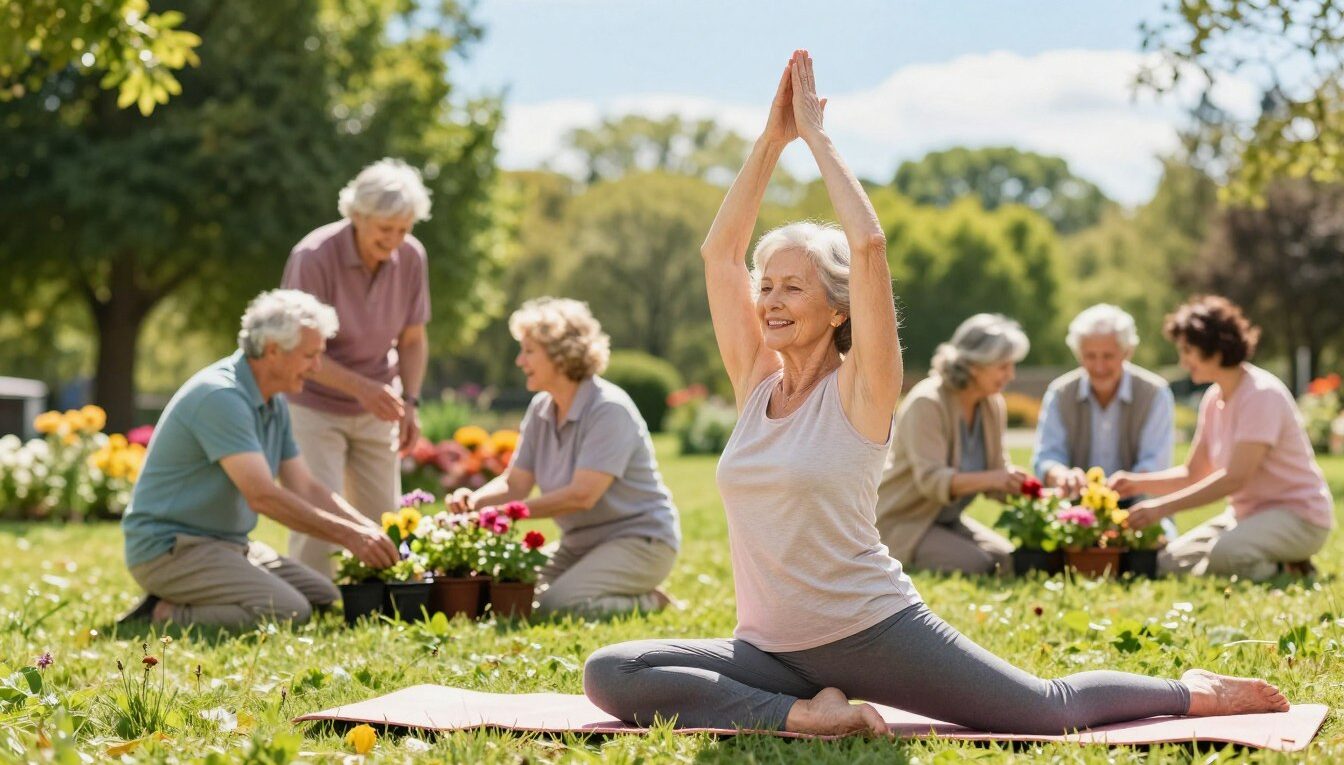
Living Alone After 70: Activities That Keep Mind and Spirit Active
Reaching your later years is a remarkable achievement. It opens a new chapter full of potential. This phase of life is not about slowing down. It is a prime opportunity to remain vibrant and connected.
Science supports this view. Research shows older adults with active lifestyles have lower risks for certain health concerns. These include dementia, heart disease, and stroke. Staying involved is a powerful tool for wellness.
Many people spend more time at home. This isolation can hurt overall health. It may increase feelings of worry or sadness. The good news is there is a clear path forward.
Finding purpose through meaningful pursuits is essential. Studies link happiness and life satisfaction to longer, healthier lives. These pursuits create a sense of purpose in daily routines. They help maintain independence and joy.
This article explores many wonderful ways to nurture your mind and spirit. We will look at creative hobbies, social connections, and gentle movement. There are options for every interest and ability level. Let’s discover how to make this time rich and fulfilling.
Embracing Senior Independence and Finding Purpose
This period of life invites a fresh look at what brings meaning and joy each day. It is a time to move beyond previous roles and define a new, personal chapter. Many older adults find this freedom empowering.
Redefining Life After 70
Life after 70 is not an end but a transformation. It allows a person to focus on passions that may have been set aside. This shift creates a powerful sense of purpose and direction.
Discovering Personal Interests
Engaging in meaningful pursuits adds structure and positive anticipation to daily routines. Whether it’s gardening, painting, or learning, these hobbies support mental sharpness. They also inspire creativity and build new relationships.
Gaining a Sense of Achievement
Completing a project provides tangible evidence of capability and growth. This sense of accomplishment boosts self-esteem and reinforces independence. It shows that contribution and value continue in wonderful ways.
Research links such engagement to greater resilience and optimism. Positive emotions and a strong sense of purpose help individuals bounce back from challenges. This active participation is key to a vibrant, self-directed life.
Activities for Seniors Living Alone to Stay Engaged
Mental sharpness and emotional balance thrive when we incorporate stimulating pastimes into our routines. A daily mix of personal interests and group interaction creates a powerful recipe for wellness.
Exploring Hobbies and Social Events
Personal hobbies like reading, crafting, or playing music offer deep mental engagement. They provide a wonderful sense of accomplishment and personal joy.
Social events are equally important for connection. Local book clubs, community center classes, and group outings bring people together regularly. These gatherings build friendships and reduce feelings of isolation.
Maintaining Cognitive and Emotional Health
Research shows varied, stimulating pursuits are key for brain function. Challenging the mind with new skills can have a positive effect on memory.
Creative pastimes like art or dance offer special benefits for emotional health. They help manage mood and foster a positive outlook. This holistic approach supports older adults in living fully and independently.
Physical and Mental Activities for a Vibrant Life
A dynamic life after 70 beautifully balances gentle movement for the body with stimulating challenges for the mind. This dual approach supports overall wellness and personal independence.
Gentle Exercise and Nature Walks
A daily walk is a wonderful way to move. It supports heart health and offers fresh air. Adding light strength training protects bones and muscles.
Balance and flexibility movements are also key. They help prevent falls and ensure comfort. These forms of exercise boost confidence in daily tasks.
Mind-Boosting Games and Brain Challenges
Keeping the mind sharp is just as important. Puzzles, crosswords, and card games provide excellent mental workouts. They engage memory and problem-solving skills.
This type of activity can be enjoyed quietly at home. It offers a satisfying way to pass the time. Regular mental challenges contribute to long-term cognitive health.
Practices like tai chi combine physical and mental focus. They provide dual benefits in one enjoyable session.
Creative and Social Hobbies to Boost Wellbeing
Creative and social hobbies offer a powerful blend of personal fulfillment and community connection. These pursuits bring daily structure and positive anticipation.
They nurture both the mind and the spirit through hands-on engagement.
Gardening, Crafting, and Painting
Gardening provides light exercise and a deep connection with nature. It reduces stress and offers a great sense accomplishment as plants grow.
Crafting ideas like knitting, painting, or building birdhouses stimulate the mind. These projects allow for artistic expression and result in beautiful, tangible items.
Painting vibrant scenes or abstract art is wonderfully relaxing. It is a joyful way to explore color and creativity.
Participating in Book Clubs and Music Groups
Book clubs create regular social interaction around shared stories. They offer intellectual stimulation and meaningful conversation for adults.
Music elevates mood and triggers cherished memories. Joining a community choir or listening group fosters connection.
These group settings build friendships around common interests. They combine personal enjoyment with a strong sense of belonging.
Nurturing Relationships with Loved Ones and Community
Strong connections with people we care about form the heart of a joyful and resilient life. Social bonds protect against loneliness and support both mental and physical health. Building these ties requires intention and offers great rewards.
Connecting with Family and Friends
Regular contact with family and friends is wonderfully simple. A video call, a shared meal at a new restaurant, or an afternoon playing cards creates meaningful moments.
Listening to favorite music together or reminiscing over photos strengthens your bond. You can also reconnect with old classmates or plan a trip with a group. These shared experiences build a reservoir of positive memories.
Engaging in Volunteer and Group Activities
Volunteering builds strong bonds with your community. It lets you use your skills for a good cause. Opportunities include mentoring young readers or helping at a local food bank.
This involvement provides a powerful sense of purpose. You make a real difference in others’ lives. Assisting at a library or community event are other rewarding options. These group settings create natural friendship opportunities.
Such participation weaves a supportive network. It provides regular social connection and deep personal satisfaction.
Practical Tips for Starting New Activities
Beginning a new pursuit can feel daunting, but a thoughtful approach makes it rewarding. Everyone has different limits for their time and energy. What is perfect for one person may be too much for another.
Setting Realistic Goals
Start by adding just one or two interests to your routine. See how you feel. You can always add more later. This method respects your personal comfort and energy levels.
Listen to your own feelings rather than comparing yourself to others. Participation should be fun and enriching, not stressful. Finding the right balance is a personal journey.
Overcoming Common Barriers
Common hurdles include physical limits or living in a rural area. The good news is many pastimes can be enjoyed from home. Technology offers wonderful opportunities for remote connection.
Modified versions of movement are widely available for different ability levels. Always consult a healthcare professional before beginning new physical routines. This ensures safety and personalized advice.
With patience and experimentation, you can discover what brings you satisfaction. It is perfectly acceptable to adjust your plans along the way.
Leveraging Technology and Local Resources>
Modern tools and local hubs offer incredible avenues for connection and growth in later life. You can access wonderful experiences right from your own home. These options also provide meaningful ways to connect with your neighborhood.
Using Online Courses and Video Chats
Learning platforms like Coursera bring the classroom to your living room. You can explore painting, history, or new technology at your own pace. There are no deadlines, just pure curiosity and discovery.
Regular video calls with loved ones bring faces and voices close. This simple technology helps maintain strong family bonds. It turns any ordinary day into a special visit full of laughter and joy.
Finding Community Centers and Local Groups
Your local library is a treasure trove of free resources. Many host book discussions, computer classes, and craft sessions specifically for older adults. It’s a welcoming place to meet people with similar interests.
Community centers organize game nights, group exercise classes, and volunteer opportunities. These gatherings create natural friendship circles. Participating adds structure and positive anticipation to your week.
Combining online convenience with in-person community involvement offers the best of both worlds. This balanced approach enriches daily life in multiple ways.

Alex Oliver is a caregiver advocate and aging support researcher with over 10 years of experience helping families navigate the emotional and practical challenges of caring for elderly loved ones. Through Senior I Love, Alex shares research-based guidance, daily care strategies, and emotional resilience tools to support caregivers worldwide.