
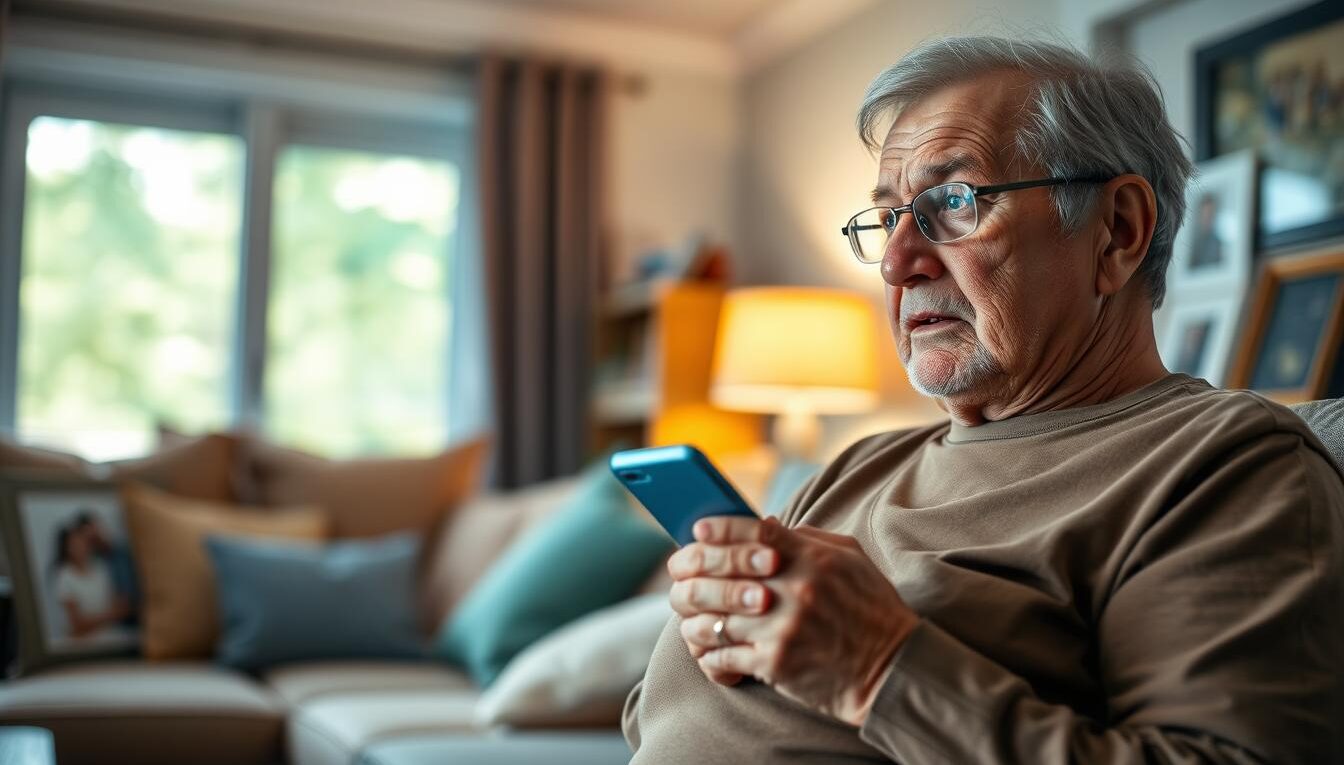
Medical Alert Systems: Which Ones Actually Work for Seniors Alone
Choosing a reliable emergency response device is a major decision for older adults and their families. This guide is based on extensive, real-world testing to cut through the noise.
We evaluated dozens of devices over thousands of hours. Each unit was tested for critical factors like response time and fall detection accuracy.
Our goal is to provide clear, evidence-based recommendations. You will learn which options offer genuine protection and reliable help.
Key features for safety at home include simple usability and transparent pricing. These elements support independence and provide vital peace of mind for caregivers.
This information empowers you to make a confident choice. It ensures access to immediate assistance when it matters most.
Understanding Medical Alert Systems
The fundamental purpose of this technology is to bridge the gap between an incident and help. It provides a direct lifeline during critical moments.
These personal emergency response units typically include a wearable piece. This can be a pendant, watch, or bracelet. It connects to a response center staffed around the clock.
Monitored options link you to live agents. These professionals assess the situation and contact family or 911. Unmonitored versions connect directly to emergency services or pre-set contacts.
Automatic fall detection is a key advancement. This feature triggers an alert without needing a button press. It is vital if a person is unconscious or cannot move.
Some units are designed for use at home near a base station. Others are mobile and work anywhere with cellular service. GPS tracking helps pinpoint a user’s location.
A monthly service fee covers continuous monitoring and support. Understanding these differences helps you choose the right solution for specific needs and lifestyle.
Why Safety is Critical for Seniors Living Alone
Safety at home is a cornerstone of maintaining autonomy. Yet unexpected health events can quickly compromise that independence. For older adults residing by themselves, having a plan for immediate assistance is essential.
Risks of Living Alone
Statistics show one in four Americans over 65 experiences a fall annually. For someone residing solo, a simple tumble can become a serious crisis. The dangers extend beyond a fall to include strokes or heart attacks.
Isolation means no one is there to notice warning signs. This delay in calling for help can worsen outcomes. Remaining on the floor after a fall, known as a “long lie,” leads to additional health complications.
Benefits of Prompt Emergency Response
A swift response during a medical emergency saves lives. For instance, stroke treatment is most effective within the first few hours. Quick access to help drastically improves recovery chances.
This reliability also provides profound mental comfort. It reduces daily anxiety about potential accidents. Family members and loved ones gain significant peace of mind.
The benefit extends to non-critical situations, too. A reassuring voice can assist after a minor injury. This support network encourages continued independence at home.
Features to Look For in Medical Alert Devices
When assessing personal emergency units, specific technical features separate adequate options from truly reliable ones. Core capabilities like automatic fall detection, location tracking, and dependable power are non-negotiable for safety.
Automatic Fall Detection and Alerts
This technology uses internal sensors to identify a sudden fall. It can trigger an alert without any button press. Our tests showed accuracy rates between 70% and 80% across different models.
This feature is vital if a person is unconscious. Not all detection algorithms are equal. Some units are better at distinguishing real falls from daily motions.
GPS Tracking, Button Activation, and Battery Life
For mobile protection, GPS is essential. It allows helpers to locate a user anywhere. Several top-rated units include this, but not all.
The emergency button must be large and easy to press. It is the primary way to call for help. Good battery life is also critical for constant safety.
Power duration varies widely. Some devices last less than a day, while others offer a full day of coverage. A long-lasting battery prevents dangerous gaps in protection.
Also, consider the unit’s operating range and if it is waterproof. These factors ensure the device works throughout the home, even in risky areas like bathrooms.
Overview of Top Medical Alert Systems
Our rigorous testing has identified several standout personal safety devices that deliver reliable emergency support. These top-rated units excel in response speed, accuracy, and user-friendly design.
Bay Alarm Medical SOS Smartwatch Review
Bay Alarm Medical’s SOS Smartwatch earned the highest overall score. It offers competitive monthly pricing and an average 10-second response time.
This modern smartwatch includes health tracking and works as a standalone cellular device. Its caregiver app provides excellent support for families.
The fall detection accuracy is rated at 70%. This equipment combines style with essential safety functions.
High-Tech Options from Medical Guardian and Others
Medical Guardian’s MGMini Lite is a premium high-tech choice. It features 80% fall detection accuracy and a comprehensive caregiver mobile app.
ADT’s offering provides U.S.-based monitoring and a lifetime warranty. However, its response time averages 55 seconds.
MobileHelp has a unique plan for couples with its Home Duo Bundle. Lively Mobile2 stands out as the most affordable option with fast response.
All these devices use reliable cellular connections. Most include GPS tracking for location accuracy during emergencies.
How to Evaluate Alert System Response Times
Seconds count in an emergency, and the metric that captures this urgency is the system’s average response time. This is the number of seconds between pressing the help button and speaking with a live agent at the monitoring center.
Independent testing reveals dramatic differences between providers. To get a true average, each device was tested with multiple calls.
Understanding Average Response Metrics
Our testing involved 10 calls per device to establish reliable averages. The fastest units connected to help in just 10 to 15 seconds.
Other services averaged between 15 and 17 seconds. The slowest response we recorded took a full minute.
Relying on a single test call is not enough. Staffing levels at call centers change throughout the day.
Impact on Emergency Outcomes
A 45-second gap between the fastest and slowest response is critical. In events like a stroke or heart attack, brain cells begin to die within minutes.
Faster connection to emergency services greatly improves the chance of a full recovery. This speed directly impacts survival rates.
When choosing a device, ask the provider for their verified average response time data. Do not rely on marketing claims of best-case scenarios.
Customer Service and Caregiver Features
A critical yet often overlooked aspect of choosing a personal safety device is the ecosystem of support surrounding it. This includes both direct assistance for the user and powerful tools for loved ones.
Quality customer service has two key parts. First, technical support must be available to help with setup and troubleshooting. Second, monitoring center agents need professionalism and compassion when responding to calls for help.
Bay Alarm Medical provides a mobile app for family members. This tool allows them to track the device’s location and monitor its battery. They can also maintain a detailed emergency plan for first responders.
Medical Guardian offers the most comprehensive portal. Their app gives members location tracking, complete call history, and health updates. It even includes medication reminders and calendar features to support daily care.
In contrast, ADT Health does not have a companion app for caregivers. It alerts family members during emergencies but lacks proactive monitoring tools. Consulting experts, like occupational therapist Linda Schlenker, helps identify which features offer real value.
The best customer service is proactive. It includes alerts for low battery or connectivity issues. This proactive care prevents problems and ensures the device is always ready to provide help.
Comparing In-Home vs. Mobile Alert Systems
One of the biggest decisions involves choosing between a system designed for the house or one that travels with you. Each type serves a distinct purpose and lifestyle.
Home-Based Systems Advantages
In-home units like Bay Alarm Medical’s SOS Home start around $28 monthly. They use a base station plugged into a wall outlet.
Wearable pendants communicate within a 600 to 1,000 foot range. This setup is very affordable. The pendants use long-life batteries that last for months.
A key benefit is the loud speaker on the base unit. It helps those with hearing challenges. The main limit is the range. Protection stops at the property line.
On-the-Go Device Benefits
Mobile systems, like the SOS Smartwatch, cost about $40 per month. They work anywhere with cellular service.
These standalone devices have built-in GPS for location tracking. This is crucial for active individuals or those who may wander.
A trade-off is daily charging. Forgetting to charge creates a safety gap. Hybrid options, like the SOS All-In-One 2, combine both home and mobile protection.
The choice depends on daily habits. A home system suits those mostly indoors. A mobile device is essential for an active, independent life outside.
Analyzing Pricing and Value
The true expense involves one recurring fee and one upfront equipment cost. Looking at the total first-year outlay gives a clearer picture than just the monthly rate.
Monthly plan costs cover 24/7 call center staffing. Basic service typically ranges from $25 to $45 per month. Adding automatic fall detection often increases this cost by about $10.
Monthly Plan Comparisons and Bundling Options
Providers offer various plan structures. Tiered options allow you to choose features that fit your budget. Exploring all available options ensures you get the right coverage.
Bundling options can reduce costs, like a duo plan for two users. Review each plan carefully. Price lock guarantees protect against rate hikes. This provides budget predictability for those on fixed incomes.
Equipment Fees and Special Deals
Upfront equipment fees for mobile devices can be $150 to $200. Many companies run promotions like 40% off or a free month of service.
A 30-day risk-free trial allows you to test the system before committing. Calculating the total first-year cost, including all fees, helps assess true value. Compare this against performance metrics.
Technology and Device Innovations
Recent innovations have transformed emergency response devices into sophisticated tools that promote both safety and wellness. This progress focuses on two main areas: modern, user-friendly designs and significantly smarter detection capabilities.
Smartwatch Integration and Modern Designs
The most noticeable change is the shift from obvious pendants to stylish watches. This design helps users feel confident, not labeled. They are more likely to wear the device consistently.
Units like the Bay Alarm SOS Smartwatch work as standalone cellular devices. They don’t need a smartphone. These modern tools also track daily steps and monitor heart rate.
This integration encourages healthy activity beyond just emergency use. It turns a safety device into a helpful companion for daily life.
Advancements in Fall Detection Accuracy
Automatic fall detection has seen major improvements. Current accuracy rates range from 70% to 80% across top brands. Better sensors and smart algorithms make this possible.
The technology analyzes motion speed and impact force. It tries to tell a real fall from sitting down quickly. Finding the right sensitivity balance is tricky.
More sensitive detection catches more falls but can cause false alarms. A useful feature lets users cancel accidental alerts by holding a button. This manages false alarms without delaying real help.
Practical Tips for Seniors and Caregivers
Effective use of a personal safety device relies on proper setup and consistent maintenance routines. These steps ensure the unit works when needed most.
Device Setup and Regular Testing
Begin by testing the entire system in every location your loved one frequents. Check inside the house, basement, garage, and yard for dead zones.
Our testing revealed cellular service can drop in backyards, as with the Medical Guardian unit. This highlights why real-world checks are vital.
Make sure to conduct at least 10 test calls over several days. This establishes a reliable average response time, not just a one-time best case.
Also, assess the physical design during setup. For example, some watch clasps are tricky for those with poor dexterity. Confirm the user can operate the emergency button easily.
Maintaining the Equipment
Battery care is crucial. Establish a daily charging habit at the same time, like after breakfast. Place the charger in a highly visible spot.
Inspect the equipment monthly. Check for physical damage and ensure the help button activates without sticking. Verify the speaker volume is clear.
Update the emergency contact list and health information every few months. Outdated details can delay appropriate aid.
Create a simple troubleshooting guide with photos for common issues. This empowers users to solve minor problems independently.
Most importantly, make sure the device is worn consistently. Address comfort or clasp concerns to encourage daily use. A unit left on a table offers no protection.
Addressing Common Concerns and Misconceptions
Concerns over accidental triggers often overshadow the life-saving potential of modern emergency response technology. Many people worry that false alarms will lead to embarrassing situations or repeated unnecessary calls.
False Alarm Issues and User Experience
Testing revealed that sensitive automatic fall detection can generate false alerts. For instance, Medical Guardian’s device triggered multiple times during routine activities like sitting down quickly. However, this high sensitivity also means it catches more actual falls.
Users can cancel these false alarms by pressing and holding the help button for three to five seconds. This feature stops the call before it reaches the monitoring center. It provides a brief window to prevent unnecessary contact.
A common misconception is that these devices are only for those who have already fallen. In reality, they offer preventive safety for anyone at risk. Wearing one supports continued independent living by providing a reliable backup.
Accidentally pressing the emergency button is rare with well-designed units. These buttons require deliberate pressure. Trained monitoring agents assess each situation carefully before deciding to dispatch help.
Automatic fall detection will never achieve perfect accuracy. Current technology detects between 70% and 80% of real falls. Setting realistic expectations is key—occasional false alarms are a reasonable trade for automatic help when it’s needed most.
best medical alert systems for seniors living alone
Independent research spanning thousands of hours reveals which emergency response units provide the most reliable protection for solo dwellers. Tech experts evaluated 35 different devices over 5,000 hours. Each unit underwent a full week of testing with ten separate emergency calls.
Consultation with home safety expert Linda Schlenker informed the ranking criteria. Factors like pricing, caregiver tools, response speed, and ease of use were all measured.
Bay Alarm Medical’s SOS Smartwatch earned the top overall spot. It combines fast connection times with health tracking in a discreet wearable. This device offers a strong balance of critical features.
Other notable options include Medical Guardian’s MGMini Lite for its advanced caregiver app. ADT provides trusted monitoring with highly trained professionals. MobileHelp offers excellent value for couples.
Lively Mobile2 stands out as a budget-friendly choice with strong performance. For someone residing independently, the right combination of features is crucial. Automatic fall detection, GPS location, and rapid response create a complete safety net.
Monitoring Centers and Emergency Response
Behind every press of the help button is a trained professional ready to coordinate assistance. This human connection is the core of any reliable personal safety service.
Understanding the Role of Monitoring Centers
These centers are staffed 24/7 by agents who answer your call. Their job is to assess the situation quickly and calmly.
Senior-sensitivity training is crucial. It teaches agents how to communicate with someone who may be confused or hard of hearing.
The center’s protocols directly affect the effective response time. Certified centers, like those approved by UL Solutions, follow proven standards for speed and quality.
Insights on U.S.-Based Emergency Services
U.S.-based monitoring offers clear advantages. Agents speak clear English and understand local geography and 911 systems.
Providers like ADT Health operate their own company-owned centers. This allows for direct control over training and consistent service quality.
Multilingual support ensures effective communication for diverse users. Remember, total help arrival time combines the monitoring center’s swift answer with local emergency service dispatch, which typically takes additional minutes.
Innovative Features and Accessories
Modern personal safety devices now include a suite of smart accessories that extend protection beyond the emergency button. GPS tracking is a core technology in mobile units. It allows family members to see a loved one’s exact location on a map.
This location feature is vital for individuals who may wander. Geo-fencing creates virtual boundaries around safe areas. Caregivers get an alert if those lines are crossed.
Home temperature monitoring is another smart addition. It can detect dangerous heat or cold inside the house. This triggers an alert even if no one presses the button.
Wearing options for the help device have also evolved. You can choose a traditional neck pendant, a belt clip, or a wristband. Comfort increases the chance it will be worn all day.
Medication reminders are built into some companion apps. They help manage complex daily schedules. Activity tracking provides wellness insights by counting daily steps.
Voice-activated calling is an emerging technology. It allows for hands-free help requests. A lockbox accessory by the door gives responders quick entry without damage.
These features work with automatic fall detection. Together, they create a comprehensive safety solution. They support greater independence and daily peace of mind.
Expert Recommendations and User Reviews
Combining professional insights with real customer feedback provides the clearest picture of a personal safety device’s true value. This dual perspective helps families make informed choices.
Insights from Home Health Professionals
Clinical expertise is vital for evaluating these tools. Home health occupational therapist Linda Schlenker consulted on our testing.
She understands which features benefit people with arthritis or hearing loss. Her input separates useful functions from marketing hype.
This professional knowledge directly impacts user health and safety. It ensures the selected equipment meets real needs.
User Testimonials and Expert Rankings
Independent expert rankings offer systematic comparisons. SeniorLiving.org rated several top companies.
Bay Alarm Medical scored 4.7 out of 5. Medical Guardian received a 4.8, the highest rating.
User reviews reveal consistent patterns. Bay Alarm Medical has an ‘Excellent’ rating on Reviews.io.
Ninety-eight percent of their customers would recommend the service to a friend. This high satisfaction rate is a strong signal.
Checking a company’s reputation on platforms like the BBB is wise. Established brands bring proven reliability to this critical service.
Creating a shortlist based on both expert and user data leads to the best decision. This approach balances technical performance with real-world experience.
Conclusion
Ultimately, securing a reliable personal safety device empowers older adults to live independently with confidence. Our extensive evaluation highlights significant performance variations.
An informed choice is essential for effective protection. Factors like response speed and fall detection alert accuracy differ widely.
The Bay Alarm Medical SOS Smartwatch offers rapid connection and a modern design. The optimal unit depends on personal lifestyle and budget.
This investment provides profound peace of mind for loved ones. Family members can rest assured help is always a button press away.
Taking proactive steps ensures a response system is in place before an incident. Use risk-free trials to verify the service meets your needs.

Alex Oliver is a caregiver advocate and aging support researcher with over 10 years of experience helping families navigate the emotional and practical challenges of caring for elderly loved ones. Through Senior I Love, Alex shares research-based guidance, daily care strategies, and emotional resilience tools to support caregivers worldwide.