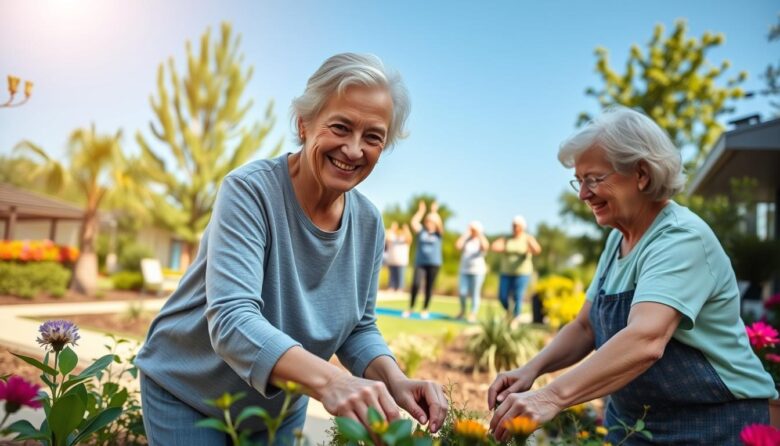
The desire for personal freedom doesn’t fade as we move through different life stages. It simply takes on new forms. Our ability to make choices and live on our own terms remains incredibly important throughout our entire journey.
Many people mistakenly believe that moving into senior living communities means giving up control. This outdated idea couldn’t be further from reality. Modern communities are designed to support autonomy.
True independence encompasses much more than physical ability. It’s about maintaining control over daily decisions and pursuing personal interests. It means living according to your own values and preferences.
While abilities may change over time, the fundamental need for self-direction remains constant. Today’s senior living options focus on preserving this essential aspect of life. They provide support while celebrating personal choice.
Understanding independence in later years means recognizing it as the freedom to make meaningful decisions with appropriate assistance. It’s not about doing everything alone, but about having the right help when needed.
Key Takeaways
- Personal freedom remains vital throughout all life stages
- Modern senior living supports rather than restricts autonomy
- Independence includes control over daily choices and activities
- The desire for self-direction persists regardless of age
- Appropriate support enhances rather than diminishes freedom
- Today’s communities focus on preserving personal agency
- True independence means making meaningful choices with help when needed
Exploring Redefining Independence in Old Age
The capacity to make personal choices plays a vital role in maintaining quality of life for seniors. Research consistently shows this autonomy serves as a cornerstone of comprehensive well-being.
The Role of Autonomy in Senior Well-being
Studies from the World Health Organization emphasize that personal agency promotes physical, emotional, and social health. A 2024 Oxford University study provides strong evidence linking greater autonomy to better health outcomes.
Older adults who retain decision-making capacity show improved health and survival rates. This demonstrates how crucial self-direction remains throughout life.
Key Benefits of Maintaining Independence
Personal freedom extends far beyond daily task management. It represents a fundamental part of identity and provides ongoing purpose.
Adults who maintain their independence experience enhanced emotional well-being and mental clarity. Achieving small goals like meal preparation or gardening boosts mood and reduces depression symptoms.
This sense of purpose strengthens identity and meaning. The benefits contribute significantly to overall quality of life for older adults.
The Impact of Independence on Health and Relationships
Personal agency serves as a bridge connecting individual well-being with meaningful social interactions. This connection becomes especially important as people navigate different phases of life.
Mental and Emotional Benefits of Self-Determination
Making daily choices provides essential mental stimulation for older individuals. Simple decisions about schedules or hobbies keep cognitive functions sharp.
Managing personal routines helps maintain memory and problem-solving skills. This active engagement contributes significantly to emotional wellness.
Autonomous activities create a sense of purpose and identity. When people control their daily lives, they experience greater satisfaction and reduced stress.
Fostering Social Connections and Community Support
Confident individuals naturally seek social engagement with friends and neighbors. They participate more actively in community events and gatherings.
Sharing meals or conversations strengthens emotional bonds. These interactions provide vital support networks that enhance quality of life.
When personal choice diminishes, social withdrawal often follows. Maintaining autonomy helps people stay connected to their social circles.
Community resources should enhance rather than replace personal decision-making. The right support system preserves relationships while ensuring safety.
Living Independently While Receiving Support
Receiving help with daily tasks doesn’t have to mean sacrificing control over your lifestyle. The concept of “supported independence” allows people to maintain their freedom while having assistance available when needed.
Balancing Personalized Care with Daily Autonomy
Personalized care plans are built around each person’s unique routines and preferences. This approach ensures support enhances rather than restricts personal freedom.
Staff member Shelley J. explains, “We look at each person’s needs individually, not as a cookie-cutter scenario.” This person-centered philosophy encourages residents to do what they can independently while receiving respectful help when needed.
Assisted Living vs. Independent Living: Myths and Realities
Many people misunderstand the differences between these living options. Both types of communities focus on preserving personal choice and dignity.
In assisted living settings, residents might receive medication management help while keeping control over their daily schedules. The goal is to provide support that lets people focus on what matters most to them.
These care options offer flexibility for different needs and preferences. The right community can provide the perfect balance of assistance and autonomy.
Practical Strategies for Sustaining Daily Independence
Simple daily habits form the foundation for maintaining control and satisfaction in later years. Personalized routines empower individuals to structure their day according to personal preferences.
Establishing Routines and Meal Planning
Creating consistent daily patterns helps people feel secure while preserving choice. Morning wake-up times, afternoon rests, and evening activities should reflect personal preferences.
Meal planning becomes a powerful tool for maintaining autonomy. Involving seniors in grocery decisions and menu creation ensures their tastes guide food choices.
Flexible dining options support different lifestyles and preferences. Some may prefer cooking simple meals while others enjoy restaurant-style dining. The key is having multiple choices available.
Encouraging Physical Activity and Personal Hobbies
Movement takes many forms, from light household tasks to gentle walks. The type of activity matters less than the ability to choose what feels right each day.
Personal hobbies provide meaningful engagement and mental stimulation. Creative projects or learning new skills offer enjoyment while supporting cognitive health.
Adapting activities to changing abilities ensures continued participation. The focus remains on the pleasure derived from pursuits rather than perfection.
Navigating Various Care Settings with Confidence
Modern care settings focus on adapting to individual needs while honoring personal choices. Different levels within senior living communities provide tailored support that maintains dignity.
Memory Care: Honoring Individual Preferences
Memory care takes a person-centered approach that respects each resident’s identity. Care teams receive specialized training to understand personal history and preferences.
Meaningful activities connect residents to their interests and past experiences. This creates moments of recognition and accomplishment that maintain sense of self.
Family members often notice how staff treat each person as an individual. The dedication shown in honoring preferences makes a significant difference in quality of life.
Skilled Nursing and Rehabilitation: Retaining Control
Health challenges don’t mean losing decision-making power. Skilled nursing teams involve residents in discussions about treatment options and daily care.
This collaborative approach ensures each person’s voice remains heard. The focus stays on maintaining control throughout recovery processes.
Communities support smooth transitions between care levels. This continuity helps preserve relationships and familiar surroundings.
Challenging Stereotypes in Senior Living
Many people hold outdated views about retirement communities that don’t match today’s reality. Modern senior living offers vibrant environments where residents thrive with meaningful activities.
Debunking Misconceptions About Care Communities
One common myth suggests that moving into care means losing personal choice. This couldn’t be further from the truth in contemporary settings.
Today’s communities actively encourage residents to make daily decisions. They provide support while preserving individual preferences and values.
Carey N., whose mother lives in a Life Plan community, shares her experience. “Our mother started in Independent Living for ten years before transitioning to higher levels of care,” she explains.
The residents receive dignified treatment and maintain decision-making ability. This approach demonstrates how modern care enhances rather than diminishes quality of life.
Smooth transitions between care levels prevent disruption to familiar relationships. Older adults can age in place without sacrificing their social connections.
These communities empower residents to pursue personal interests and growth. They represent active lifestyles rather than decline, challenging stereotypes effectively.
Embracing a Future of Freedom and Purpose
As we envision the future of senior living, it centers on preserving dignity while offering meaningful lifestyle options. Every person’s journey through aging is unique, and the right community honors this individuality.
True freedom means having choices about daily activities and receiving support when needed. It’s not about doing everything alone, but about maintaining control over what matters most. This approach enhances both quality of life and emotional health.
When exploring senior living options, look for communities that value personal preferences as much as safety. Flexible routines and respectful care plans allow older adults to focus on relationships and pursuits that bring joy.
The future holds promise for living with purpose and peace of mind. With the right balance of freedom and support, seniors can continue writing their life stories with confidence and dignity.