
Simple Adaptations That Help Seniors Stay Independent Longer
Aging brings changes, but it doesn’t have to mean losing the ability to live life on your own terms. For many older adults, staying in their own home is a top priority. This guide explores how thoughtful changes can make this goal a reality.
These adjustments are not about limiting freedom. They are about creating a safer, more manageable environment. The focus is on empowerment, allowing individuals to perform daily activities with confidence and ease.
From small changes in routine to helpful tools around the house, these strategies aim to preserve dignity and self-sufficiency. They acknowledge natural changes while actively promoting a high quality of life. Family members and professional caregivers both play crucial roles in this supportive process.
This article will walk you through practical steps. You will learn about the importance of routines, creating personalized plans, and enhancing home safety. Our goal is to show that maintaining independence for seniors is an achievable and rewarding journey.
Key Takeaways
- Small, practical changes can significantly extend an older adult’s ability to live independently.
- The goal is to empower, not restrict, by creating a safer and more supportive environment.
- Adaptations range from simple habit changes to using assistive devices.
- Preserving dignity and quality of life is the central focus of these strategies.
- Both family and professional support are vital for successful long-term independence.
- Personalized plans that respect individual needs and abilities are most effective.
Understanding the Importance of Daily Routines for Seniors
A well-structured day provides a powerful framework for well-being in later years. Predictable patterns offer a sense of control and purpose. This structure is vital for both physical and mental health.
Impact on Physical and Mental Health
Regular activity is a cornerstone of good health for older adults. Consistent movement builds muscle strength and improves balance. This directly reduces the risk of falls and manages joint discomfort.
For the mind, established schedules provide essential mental stimulation. This engagement helps maintain cognitive function and memory. It also lowers feelings of anxiety, promoting strong mental health.
Creating a Sense of Safety and Stability
Knowing what to expect each day fosters a profound sense of security. This predictability is especially comforting for those facing memory challenges. A reliable schedule makes the world feel more manageable.
Following set times for sleep and meals regulates the body’s internal clock. Better rest leads to improved daytime energy and a higher quality of life. These stable routines empower individuals, reinforcing their confidence and self-worth.
Developing a Personalized Daily Plan for Elderly Wellness
A customized approach to daily organization can significantly enhance quality of life for aging individuals. Effective planning considers unique health conditions and personal preferences.
Successful schedules build around individual needs and abilities. This personalized framework promotes consistent wellness practices.
Integrating Self-Care and Medication Management
Medication timing represents the highest priority in daily routines. Proper dosing ensures health stability throughout the day.
Self-care activities like bathing and grooming fit naturally into morning schedules. Combining these with gentle exercise creates a healthy start.
Nutritious meal planning supports physical well-being. Regular eating times help maintain energy levels and proper nutrition.
Balancing Structure with Flexibility
Good routines provide guidance without rigid restrictions. They adapt to changing energy levels and health conditions.
Collaborative planning gives older adults a sense of control over their day. Visual aids like charts can help follow schedules comfortably.
The goal is supportive framework, not military training. Regular adjustments keep plans relevant to evolving needs.
Adapting Daily Tasks to Support Senior Independence
Essential personal routines that many take for granted can become significant challenges as people age. These fundamental activities form the core of self-sufficient living.
Key Activities to Enhance Daily Living
Activities of Daily Living (ADLs) represent the basic self-care functions necessary for autonomous existence. These essential tasks include:
- Eating: Managing meals independently with proper utensils
- Personal hygiene: Bathing, grooming, and oral care routines
- Dressing: Selecting and putting on appropriate clothing
- Mobility: Moving safely within living spaces
- Toileting: Maintaining bathroom independence and continence
Each ADL category requires specific considerations based on individual abilities. Successful management of these activities promotes confidence and self-worth.
Utilizing Adaptive Tools and Techniques
Practical modifications can significantly improve performance of essential living tasks. Specialized equipment helps overcome physical limitations.
Grab bars and shower seats enhance bathroom safety during bathing routines. Velcro closures simplify dressing for those with limited dexterity. Weighted utensils assist with steady eating for individuals experiencing tremors.
Occupational therapists provide valuable assessments for personalized solutions. Their expertise ensures adaptations match specific needs and environments. The goal remains enabling maximum self-reliance while maintaining safety.
Boosting Physical and Mental Health Through Routine Activities
Establishing meaningful patterns of movement and mental stimulation can transform senior health outcomes. Consistent engagement in purposeful activities provides comprehensive wellness advantages.
Exercise, Nutrition, and Cognitive Engagement
Regular physical routines offer substantial health benefits for older adults. Strength-building exercises reduce arthritis discomfort and improve joint flexibility.
Weight-bearing activities combat osteoporosis by enhancing bone density. These practices help manage chronic conditions like Parkinson’s and COPD.
- Gentle morning stretches or yoga
- Mid-day walks in safe environments
- Chair exercises for limited mobility
- Balance activities that prevent falls
Scheduled meal times with balanced nutrition support physical strength. Proper proteins, vegetables, and fruits maintain cognitive function.
Mental exercise through reading and puzzles keeps memory sharp. Social interaction provides crucial cognitive stimulation. These activities slow functional decline and enhance overall quality of life.
Caregivers can encourage these health-promoting routines while respecting individual preferences. The combination of physical movement, proper nutrition, and mental engagement creates lasting wellness benefits.
Enhancing Home Safety and Accessibility for Older Adults
Thoughtful environmental adjustments can dramatically improve safety and confidence at home. These changes help maintain autonomy while reducing accident risks for mature individuals.
Home Modifications and Assistive Devices
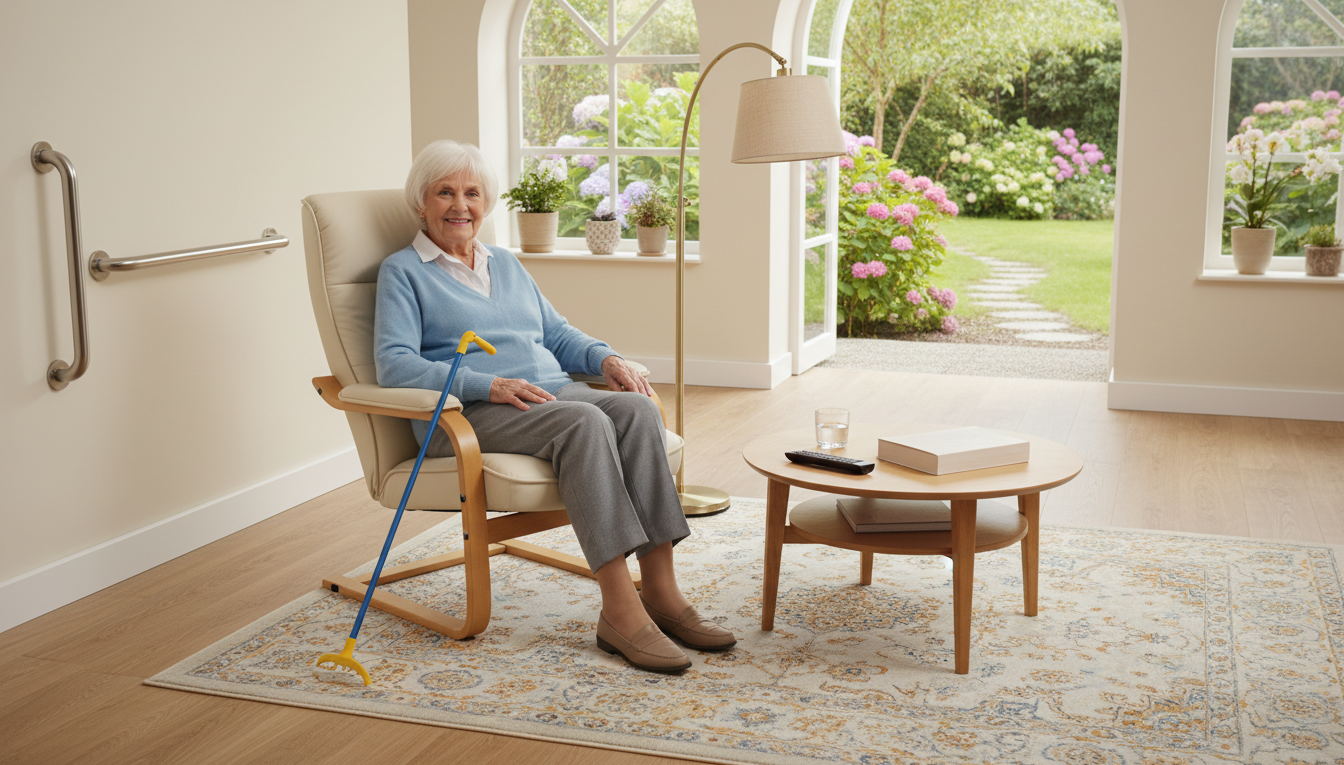
Bathroom safety deserves special attention. Installing grab bars near toilets and showers provides crucial stability. Non-slip mats and shower seats prevent falls on wet surfaces.
Throughout the home, simple changes make big differences. Remove tripping hazards like loose rugs. Improve lighting in hallways and staircases. Clear walking paths help with safe navigation.
Assistive devices support independence with various activities. Mobility aids like walkers enhance movement security. Special tools assist with dressing and eating routines.
Many improvements are affordable and effective. Rearranging furniture creates better flow. Professional assessments identify specific needs for individual living situations.
Regular housekeeping maintains a safe environment. A clean, organized space prevents accidents and supports health. These comprehensive approaches enable comfortable aging in place.
Incorporating Social and Community Engagement into Daily Living
Meaningful social connections form a vital component of healthy aging and overall well-being. Regular interaction with others helps prevent feelings of isolation that can negatively impact health. Staying engaged provides both mental stimulation and emotional fulfillment.
Research shows that older adults who maintain active social lives experience better health outcomes. They demonstrate lower rates of cognitive decline and physical disability. Social engagement becomes a powerful protective factor for quality of life.
Fostering Social Connections
Building relationships requires consistent effort and various approaches. Regular phone calls and video chats keep distant family members connected. Assistance with technology can bridge communication gaps effectively.
Local interactions provide immediate social benefits. Scheduled visits with friends create predictable social opportunities. These connections strengthen community bonds and personal relationships.
Participating in Community and Group Activities
Community centers offer diverse programs tailored for mature adults. These facilities provide meals, educational classes, and social events. Participation creates natural opportunities for building friendships.
Group activities deliver multiple benefits beyond simple socialization. Exercise classes improve physical health while facilitating social interaction. Book clubs and hobby groups stimulate minds and create shared experiences.
Transportation assistance enables participation in these valuable activities. Whether through family help or community services, mobility support ensures social engagement remains accessible. This comprehensive approach enriches daily living experiences.
Guidelines for Caregivers to Support Independent Living
Caregivers play a crucial role in maintaining independence for older adults through thoughtful collaboration. Their approach balances necessary assistance with respect for personal autonomy. This partnership creates an environment where mature individuals can thrive.
Collaborative Routine Planning with Seniors
Effective planning involves working with individuals rather than making decisions for them. This collaborative process gives older adults meaningful control over their daily lives. Understanding personal priorities and health conditions forms the foundation of successful care.
Visual aids like charts can help guide routines for those with memory challenges. Flexibility remains essential as circumstances change over time. The goal is creating supportive frameworks that evolve with changing needs.
Encouraging maximum participation preserves dignity and self-worth. Allowing choices about preferences and schedules reinforces personal agency. Assistance should complement existing abilities rather than replace them.
When family caregiving needs reinforcement, professional services provide valuable support. Home care professionals assist with Activities of Daily Living while promoting autonomy. These services help maintain quality living standards through specialized expertise.
A Final Word on Achieving a Quality Independent Life
Preserving self-sufficiency as we age requires a thoughtful blend of practical strategies and personal empowerment. This comprehensive approach creates the foundation for lasting autonomy and well-being.
The ability to manage basic personal tasks directly influences overall life satisfaction. When older adults maintain control over their daily routines, they experience enhanced self-esteem and mental health. This sense of agency protects against feelings that can accompany aging transitions.
Successful aging at home combines consistent patterns, safety modifications, and community connections. Family members and professional services both play vital roles in this supportive framework. Taking proactive steps now ensures better outcomes for everyone involved.
With respectful planning and appropriate adaptations, seniors can continue living meaningful lives in their preferred environments. The result is maintained dignity and the quality of life everyone deserves.

Alex Oliver is a caregiver advocate and aging support researcher with over 10 years of experience helping families navigate the emotional and practical challenges of caring for elderly loved ones. Through Senior I Love, Alex shares research-based guidance, daily care strategies, and emotional resilience tools to support caregivers worldwide.